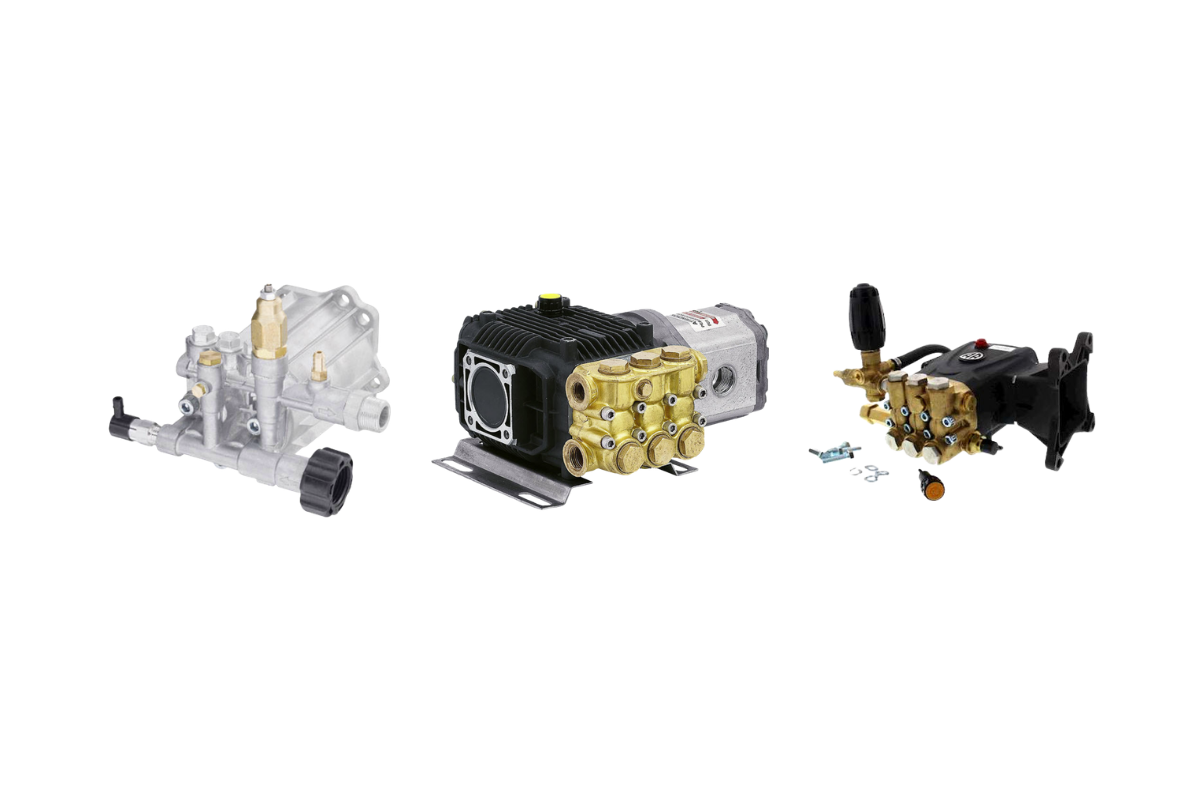
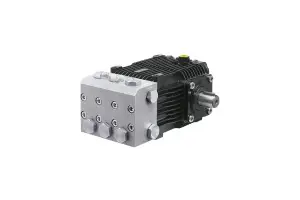
Choosing a pressure washer pump means picking from a catalog that runs from 2.1 GPM for a small hot water cart up to a 44 GPM industrial unit, and from 1,000 PSI sanitary rinse up to 7,250 PSI hydroblasting. That is a wide span, and series names like RKV, XWP, SHP and RTX do not tell you much on their own.
Here is how the range is actually organized, with real numbers instead of adjectives, so you can find your tier in about a minute.
Find your tier first
Tier
Typical flow
Typical pressure
Drive speed
Who runs it
Gas replacement
2.2 to 5.0 GPM
2,400 to 4,000 PSI
3,400 RPM
Homeowners, mobile detailers, small crews
Commercial electric
5 to 15 GPM
1,500 to 3,000 PSI
1,450 or 1,750 RPM
Facilities, fleet wash, daily contractor use
Industrial
13 to 44 GPM
1,450 to 5,800 PSI
1,000 or 1,450 RPM
Plants, food processing, agriculture
Ultra high pressure
4 to 10 GPM
5,000 to 7,250 PSI
1,450 RPM
Surface prep, hydroblasting, coating removal
Hydraulic drive
4 to 40 GPM
1,500 to 7,250 PSI
Hydraulic
Mobile rigs, service trucks, OEM skids
Gas engine replacement pumps
These are the bolt-on replacements for a washer that already has a working engine. Hollow shaft, 3/4 inch or 1 inch, spinning at engine speed.
RXV25G30D-EZ, 2.5 GPM at 3,000 PSI, 3/4 in hollow shaft
If you are building rather than repairing, the boxed pump packages ship with the unloader, fittings, bolts, garden hose adapter and break-in oil already matched. RSV3G27D-PKG at 3.0 GPM / 2,700 PSI suits a 6 to 9 HP engine; RKV4G40-PKG at 4.0 GPM / 4,000 PSI needs a GX390 class engine; RKV5G32D-VRT3PKG pushes 5.0 GPM at 3,200 PSI for surface cleaner work.
Commercial and industrial electric
Belt or coupled drive at 1,450 or 1,750 RPM, solid shaft, rebuildable. This is where flow starts to matter more than pressure, because most of these run surface cleaners and washdown lines.
XWL series, 11 to 13 GPM at 2,200 to 3,000 PSI. XWL42.15N is the common one.
XWP series, high volume at lower pressure. XWP55.14N runs 14.5 GPM at 2,000 PSI, XWP70.12N 18.5 GPM at 1,740 PSI.
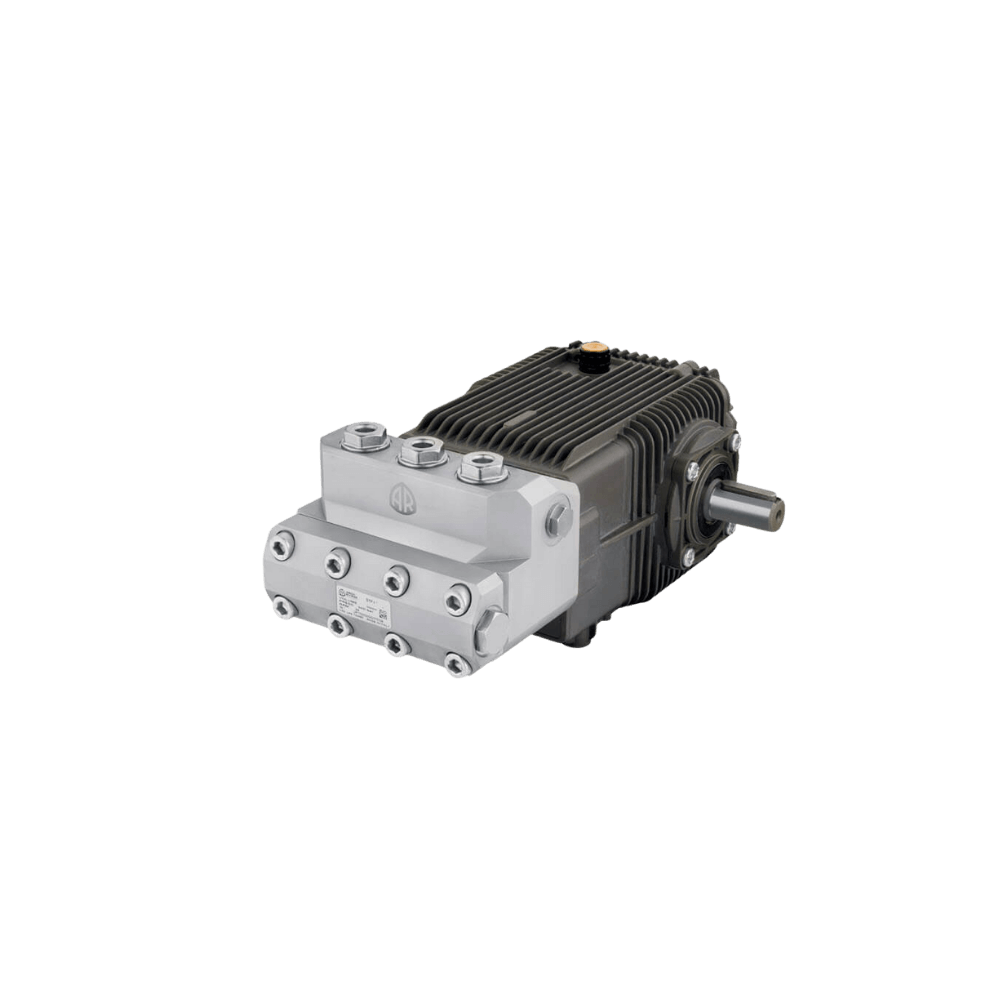
RF series, the pressure end of industrial. RF27.400N does 7.1 GPM at 5,800 PSI on a 30 mm shaft.
RTF and RTX, the volume end. RTF165N moves 44 GPM at 1,500 PSI.
Ultra high pressure pumps
Above about 5,000 PSI you are no longer cleaning, you are cutting. RGX1550N and SHP1550HN both deliver 4 GPM at 7,250 PSI; SHP2250HN steps to 5.8 GPM at the same pressure. Everything downstream, hose, gun, fittings, has to carry the same rating. This is the tier where mismatched components get people hurt.
Hot water and stainless pressure washer pumps
Two different problems that often get confused. Hot water is a temperature problem: seals, valves and hoses have to be rated for it. Stainless is a chemistry problem: the head has to survive what is in the water.
Worth choosing when the truck or machine already has hydraulics. No second engine, no extra fuel, no second thing to start on a cold morning. HYD-XM1515 at 4 GPM / 3,000 PSI covers compact service bodies; HYD-RTD100.200 at 25 GPM / 2,900 PSI covers large mobile rigs. The HYDBK base kits handle the alignment, which is the part that ruins hydraulic builds when it is done by eye.
Choosing, in four questions
How much area? Flow covers area. If you are rinsing long lines or big pads, buy GPM before PSI.
What are you removing? Loose dirt needs 1,500 PSI. Baked-on grease needs 3,000. Coatings need 5,000 and up.
What power do you already have? Engine HP, motor HP, or hydraulic flow sets your ceiling. EBHP is GPM x PSI / 1,460, and your motor should sit 10 to 20 percent above it.
What is in your water? Salt, caustics or sanitizers mean stainless. Clean municipal water does not.
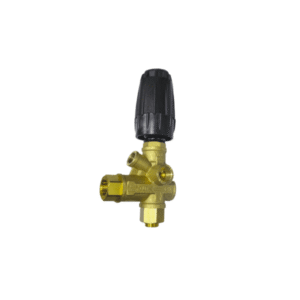
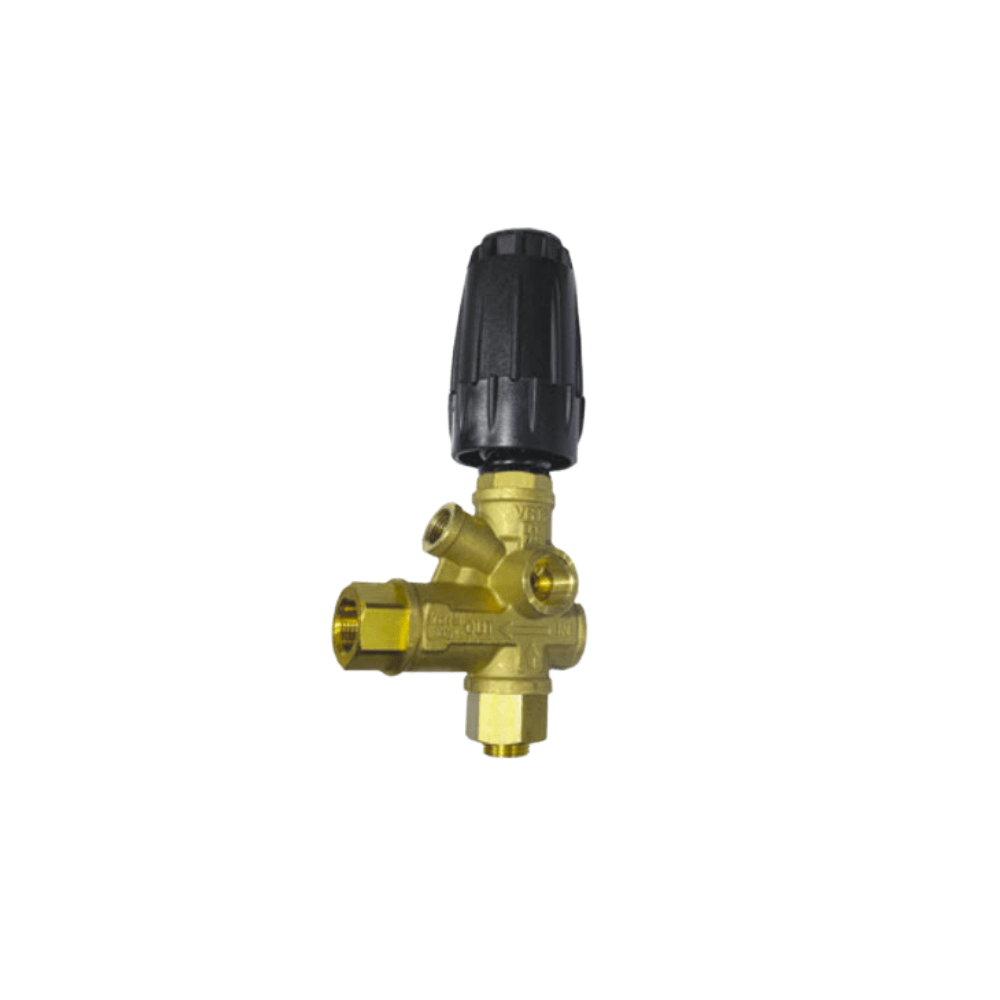
Then add the protection: a regulator or unloader sized to your flow, a thermal relief valve, and inlet filtration. Those three parts cost less than one rebuild.
The Honda GX200 is a small engine, and the mistake people make with Honda GX200 pump packages is buying a
Manage Consent
To provide the best experiences, we use technologies like cookies to store and/or access device information. Consenting to these technologies will allow us to process data such as browsing behavior or unique IDs on this site. Not consenting or withdrawing consent, may adversely affect certain features and functions.
Functional
Always active
The technical storage or access is strictly necessary for the legitimate purpose of enabling the use of a specific service explicitly requested by the subscriber or user, or for the sole purpose of carrying out the transmission of a communication over an electronic communications network.
Preferences
The technical storage or access is necessary for the legitimate purpose of storing preferences that are not requested by the subscriber or user.
Statistics
The technical storage or access that is used exclusively for statistical purposes.The technical storage or access that is used exclusively for anonymous statistical purposes. Without a subpoena, voluntary compliance on the part of your Internet Service Provider, or additional records from a third party, information stored or retrieved for this purpose alone cannot usually be used to identify you.
Marketing
The technical storage or access is required to create user profiles to send advertising, or to track the user on a website or across several websites for similar marketing purposes.