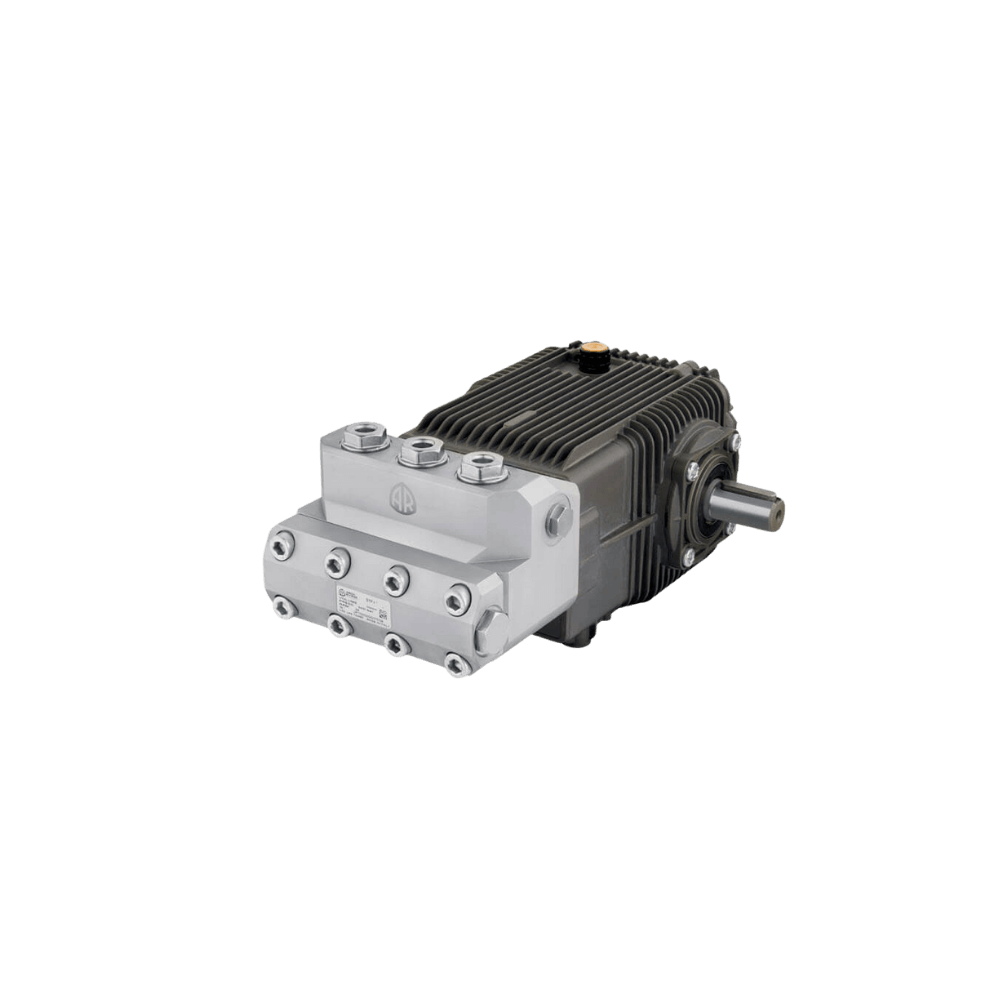
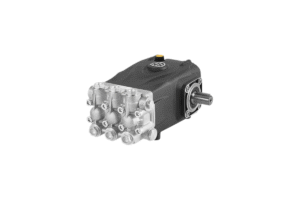
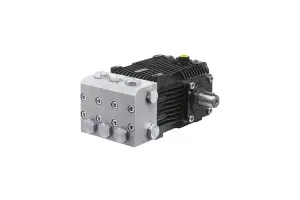
A triplex pump will run for thousands of hours. Most of them do not, and the mistakes that shorten pump life are boringly consistent. Here are the five that account for nearly all of it, with what actually happens inside the pump in each case.
1. Running it dry
The water in a pump is not just what comes out of the nozzle. It cools and lubricates the plunger seals. Run dry and those seals reach temperatures they were never designed for, and they are gone in under a minute.
The fix: prime the inlet before every start, and never start the engine before the water is on. On tank-fed systems, fit a low-water cutoff. It is the cheapest insurance on the rig.
This is also why leaving the trigger closed for long periods matters. In bypass the same water recirculates and heats up, so a thermal relief valve such as the TPP140 is not optional on a machine that spends time idling.
2. The wrong nozzle size
This is the mistake people make without knowing they have made it, because the machine appears to work.
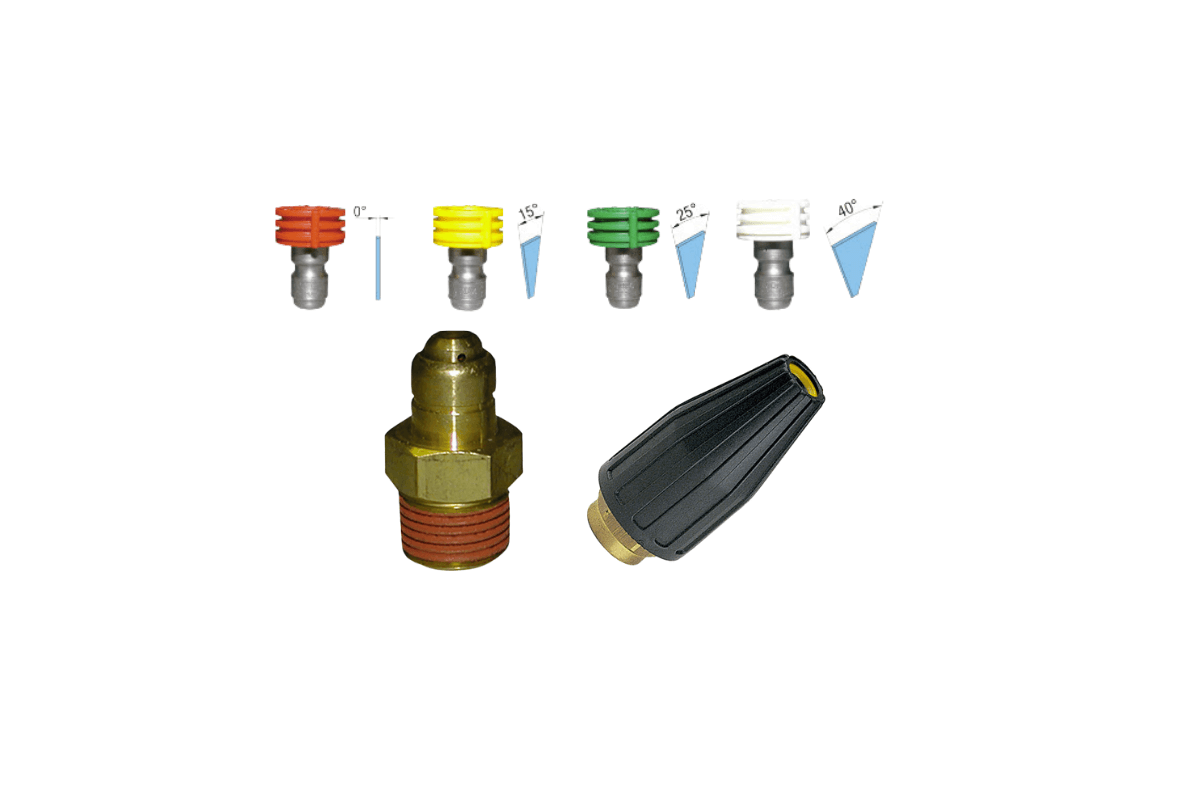
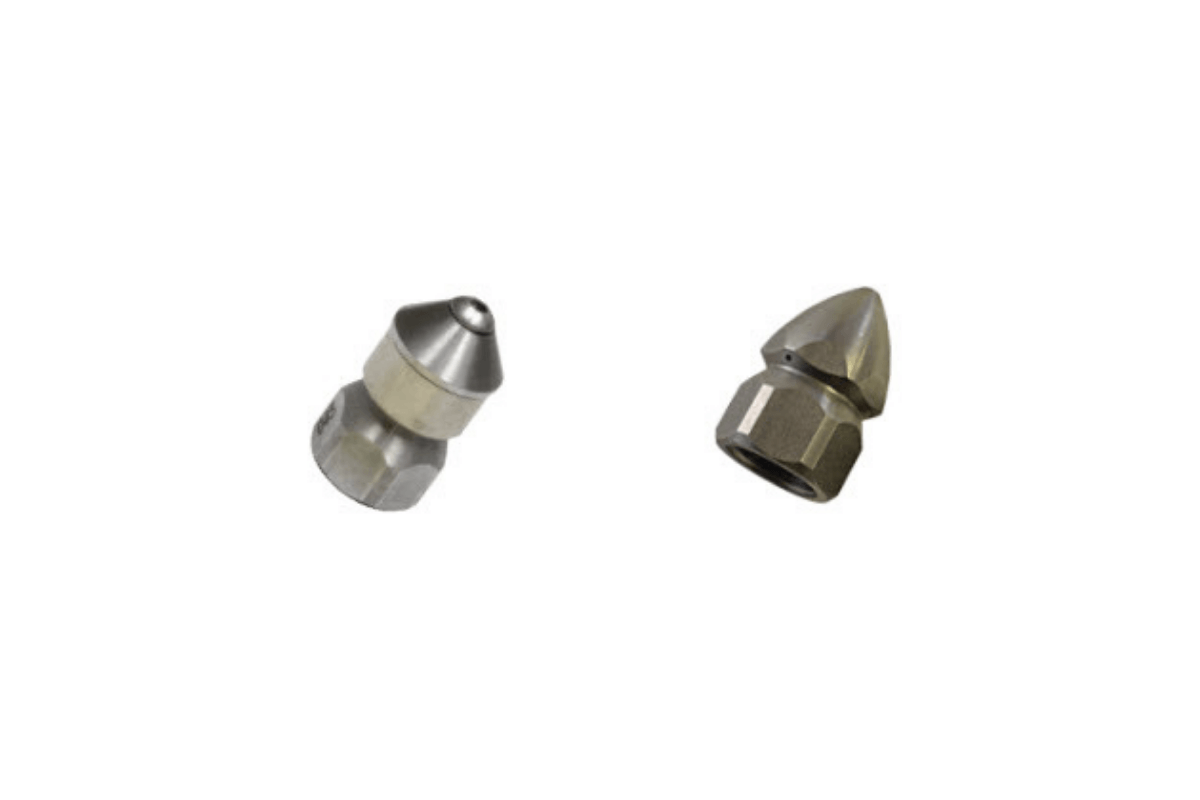
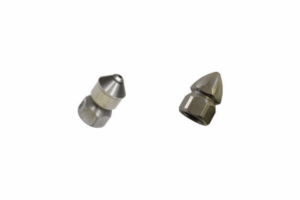
The nozzle orifice, not the pump, sets system pressure. Too small for your flow and pressure climbs past the pump’s rating, loading the unloader, the valves and the seals continuously. Too large and pressure never builds, so the machine feels weak and the operator turns the unloader up to compensate, which is worse.
The fix: match the nozzle to your pump’s GPM and PSI, and replace tips on a schedule. A worn orifice passes more water at lower pressure, so performance fades gradually and gets blamed on the pump. Checking a nozzle takes a minute and is the first thing to do when a machine seems tired.
3. Ignoring thermal relief
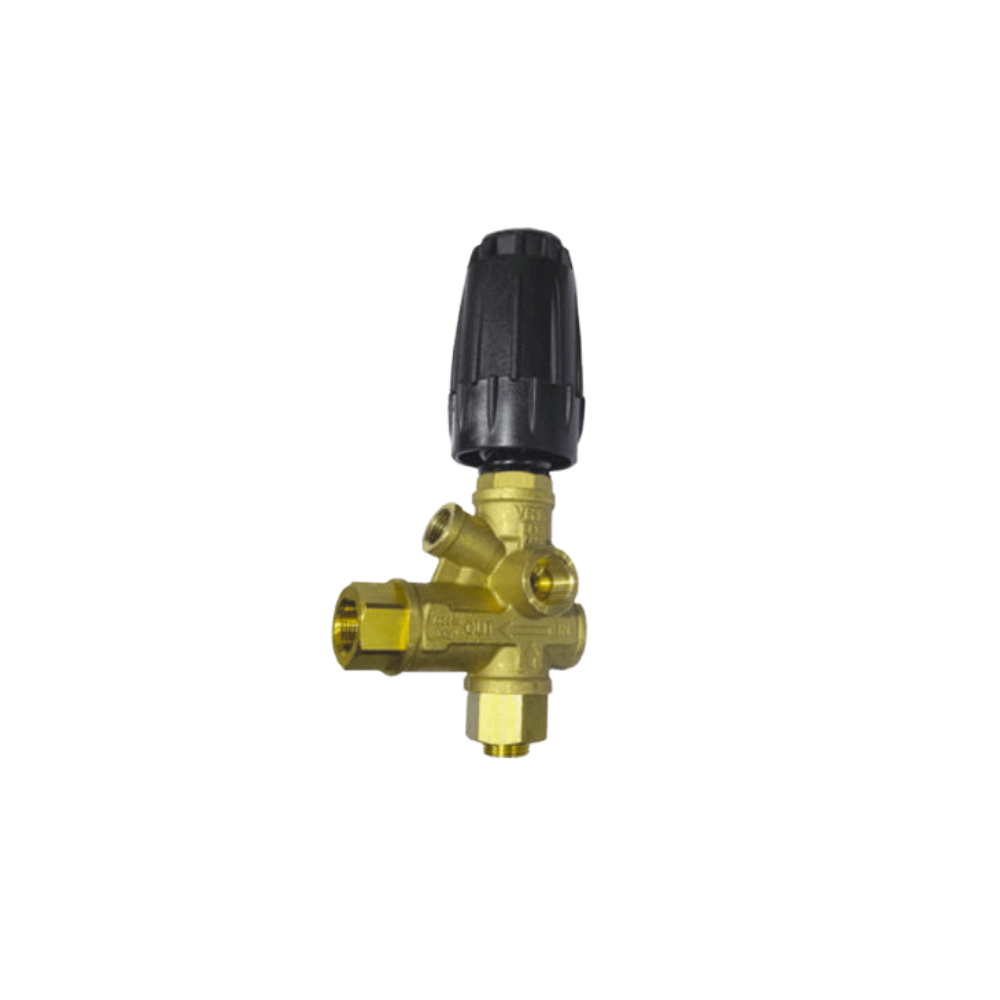
An unloader protects against pressure. It does nothing about temperature. When the trigger is closed, water cycles through bypass and warms up, and on a hot day it can reach temperatures that cook the seals while the operator is standing there doing nothing wrong.
The fix: fit a thermal relief valve, which dumps water once it passes a set temperature. On hot water systems, route bypass back to the tank rather than to the pump inlet, so you are not stacking heat on heat.
4. Dirty inlet water
Grit is abrasive, and inside a pump it sits between a moving plunger and a stationary seal. It scores both. Nothing dramatic happens; the pump just loses a little pressure every week until someone declares it worn out.
The fix: an inlet filter, and the discipline to clean it. The AR7300 garden hose adapter with filter covers small rigs; the MV19 suction strainer suits larger ones.
Worth knowing: a clogged filter is as damaging as no filter, because the restriction starves the pump and causes cavitation. Clean the screen before every shift, and more often on site water.
5. Skipping oil changes
Pump oil is non-detergent for a reason. Automotive oil foams in a pump crankcase, and foam does not carry a load, so the film breaks down at the crank pin and the bearing runs dry.
The fix: use the specified pump oil, change it at 50 hours and then every 300 hours or three months, and check the sight glass before each use.
Milky oil means water is getting past the seals into the crankcase. That is a today problem, not a next-week problem, because the bearings are next.
The sixth one, which is really the first
Freezing. Water expands about nine percent when it freezes and there is nowhere for it to go inside a pump head, so the head cracks. It is not repairable.
Run pump saver through the system before any storage where temperatures could drop below freezing. This ends more contractor pumps than the other five combined, and it happens in a single night.
How these mistakes shorten pump life
Prime the inlet. Match the nozzle. Fit thermal relief. Filter the water and clean the filter. Change the oil. Winterise.
None of that is difficult and none of it is expensive. Done consistently it is the difference between a pump you rebuild every few years and one you replace every season.
Not sure what your pump needs? Send the model number and you will get the right oil, filter, nozzle size and relief valve for it. Reference: Hydraulic Institute.