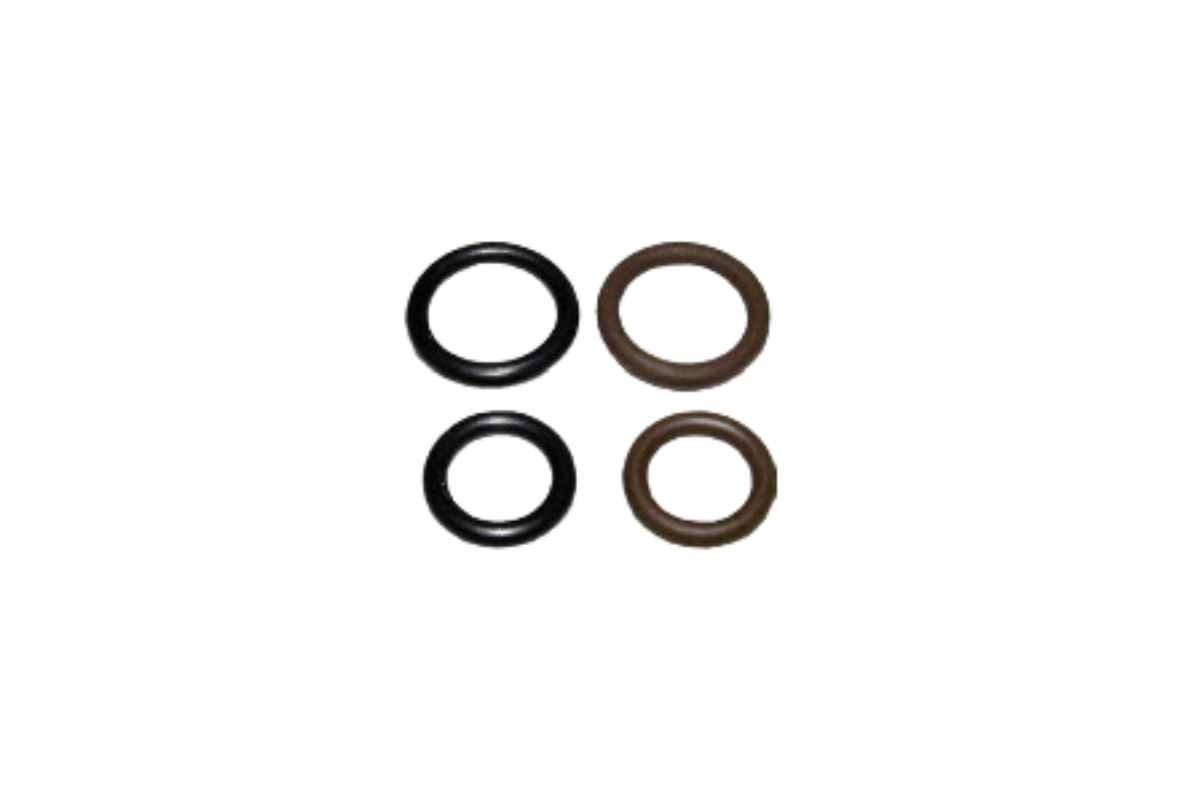
A quick coupler is a mechanical joint. It becomes a hydraulic seal only because of the O-rings in quick connects, a ring of elastomer sitting in a groove inside the body. When a connection starts dripping, the coupler is almost never the problem. The O-ring is.
This is worth knowing because the fix is a part worth pennies and a minute of work, and the alternative most people reach for is replacing a coupler or a hose.
How O-rings in quick connects seal
On a push-to-connect coupler, the O-ring sits in the socket. When the plug enters, the ring compresses slightly and that compression is the seal. Pressure in the line pushes the ring harder into its groove, which is why a correctly sized O-ring seals better at 4,000 PSI than at 100.
On European twist-lock fittings, sized in 14, 15 or 22 mm, the mechanism looks different but the principle is identical. The ring also cushions the threads as they tighten, which prevents galling between the metal faces.
Buna or Viton
Two materials cover nearly everything, and choosing wrong is the most common reason O-rings fail early.
Buna, or nitrile. Flexible, inexpensive, and the default in most fittings from the factory. Correct for cold water and general contracting. It hardens and cracks with heat and it is attacked by many solvents.
Viton, or FKM. Holds its properties at temperature and resists oils, solvents and aggressive detergents. Correct for hot water machines, chemical service and food plant washdown. It costs more and it is worth it exactly where Buna fails.
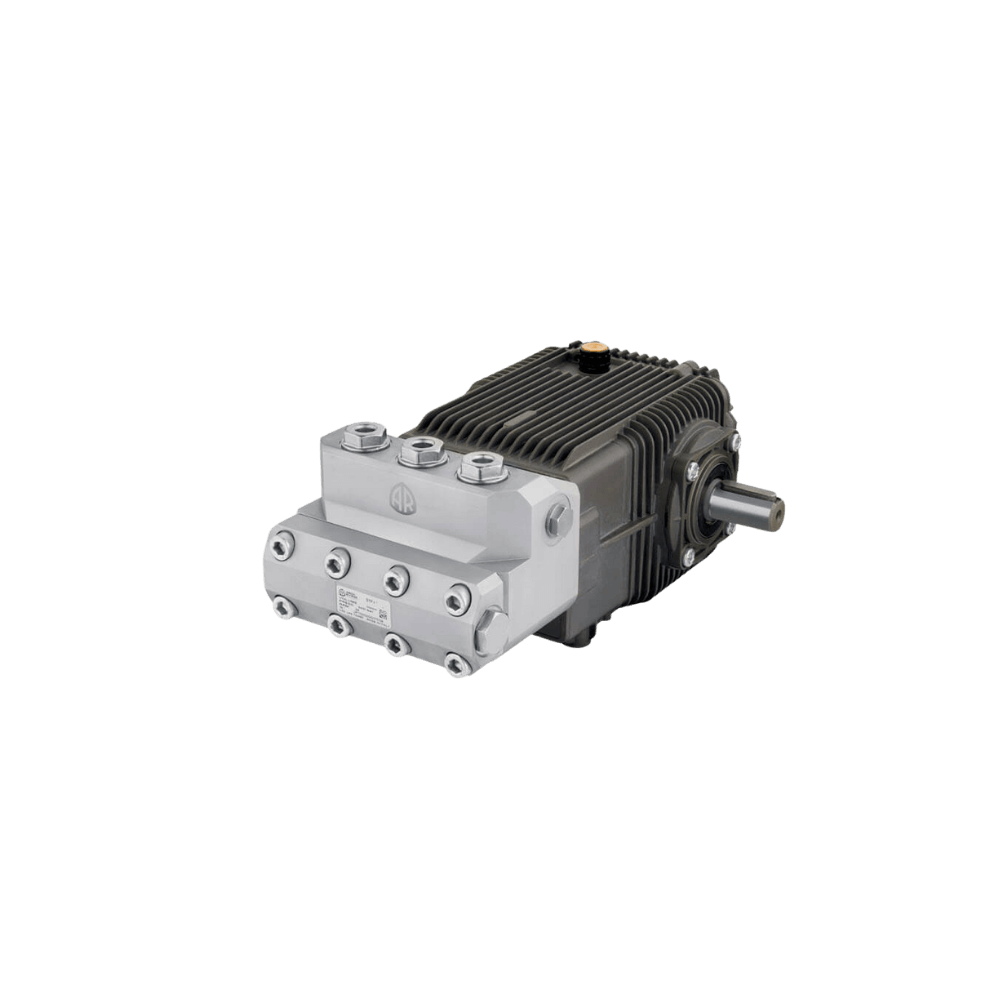
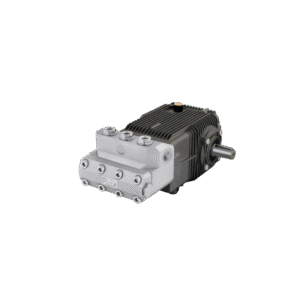
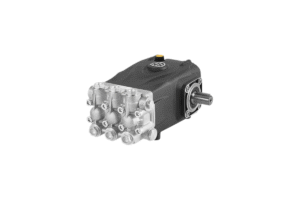
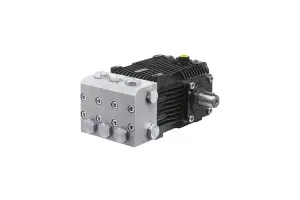
The same choice runs through the whole catalog, not just the fittings. Pumps are specified with Viton seals for the same reason: the XMV3G25E-F33V, RKA4G40HNLV and XTA3G22E-F8V are Viton-sealed builds, and the BE85402005S swivel uses a Viton O-ring. If your chemistry requires Viton at the fitting, it requires Viton at the pump too.
Why quick connect O-rings fail
- Compression set. After enough cycles the ring stays flattened and stops springing back into the groove. This is normal wear, not abuse.
- Chemical attack. Usually Buna meeting a solvent or a hot detergent. The ring swells, softens, or goes hard and glassy.
- Temperature. Heat ages elastomer whether the machine is running or not. Freezing makes it brittle enough to split on the next connection.
- Physical damage. Grit in the socket cuts the ring as the plug enters. This is why a dirty coupler eats O-rings.
The symptoms are unmistakable: water weeping at the joint under pressure, a drop in pressure at the nozzle, or a connection that suddenly feels loose or hard to seat.
Inch and metric do not mix
North American equipment uses 1/4 in and 3/8 in fittings. European equipment uses 14, 15 and 22 mm twist connections. A close-but-wrong O-ring will seem to seal and then fail quickly, because it is either over-compressed or not compressed enough.
If you run mixed equipment, keep both standards on the truck and label them. Sorting rings by eye at a job site does not work.
Treat them as consumables
The habit that separates crews who lose time to leaks from crews who do not is simple: replace O-rings on a schedule rather than on failure.
- Keep spares in 1/4 in, 3/8 in and the metric sizes your equipment uses
- Stock both Buna and Viton if you run hot water or chemicals at all
- Have crews check couplers daily and swap any ring that looks flattened, glazed or nicked
- Clean the socket before connecting. Grit is what cuts them.
- Replacement takes under a minute with a pick or a small screwdriver
The reason this matters beyond the leak itself: an air leak on the suction side of a pump causes cavitation, and cavitation damages valves and plungers. A failed O-ring in the wrong place is not a nuisance, it is a pump problem you have not noticed yet.
Where it shows up
On a house wash, a leaking connection wastes water and looks careless in front of a customer. In a truck depot running dozens of washes a day, it is uptime. In sewer jetting, a failed seal on a high-pressure line is a safety issue. In a food plant, the Viton ring is part of why the washdown system holds up to sanitizer at temperature.
Small part, disproportionate consequences.
Browse couplers, plugs and fittings, or tell me your fitting sizes and your chemistry and you will get the right material and size.