In a food plant the sanitation programme is a compliance record, and the equipment that carries it out becomes part of that record. A stainless pump head is not a preference here. A brass head that corrodes is not only a maintenance problem, it is a surface in contact with the cleaning solution that is no longer what it was specified to be.
That is the real argument for a stainless head, and it is different from the argument for stainless anywhere else.
What attacks a brass head in a food plant
Not the water. The chemistry.
- Chlorinated sanitizers, which are standard and which release chlorides
- Caustic wash cycles, alternating with acid rinses
- Hot water, which accelerates every reaction above
- Quaternary ammonium compounds, which are specifically hard on brass
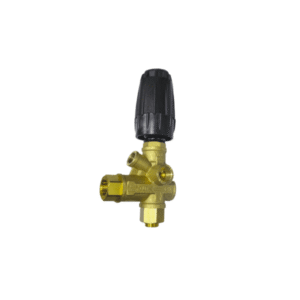
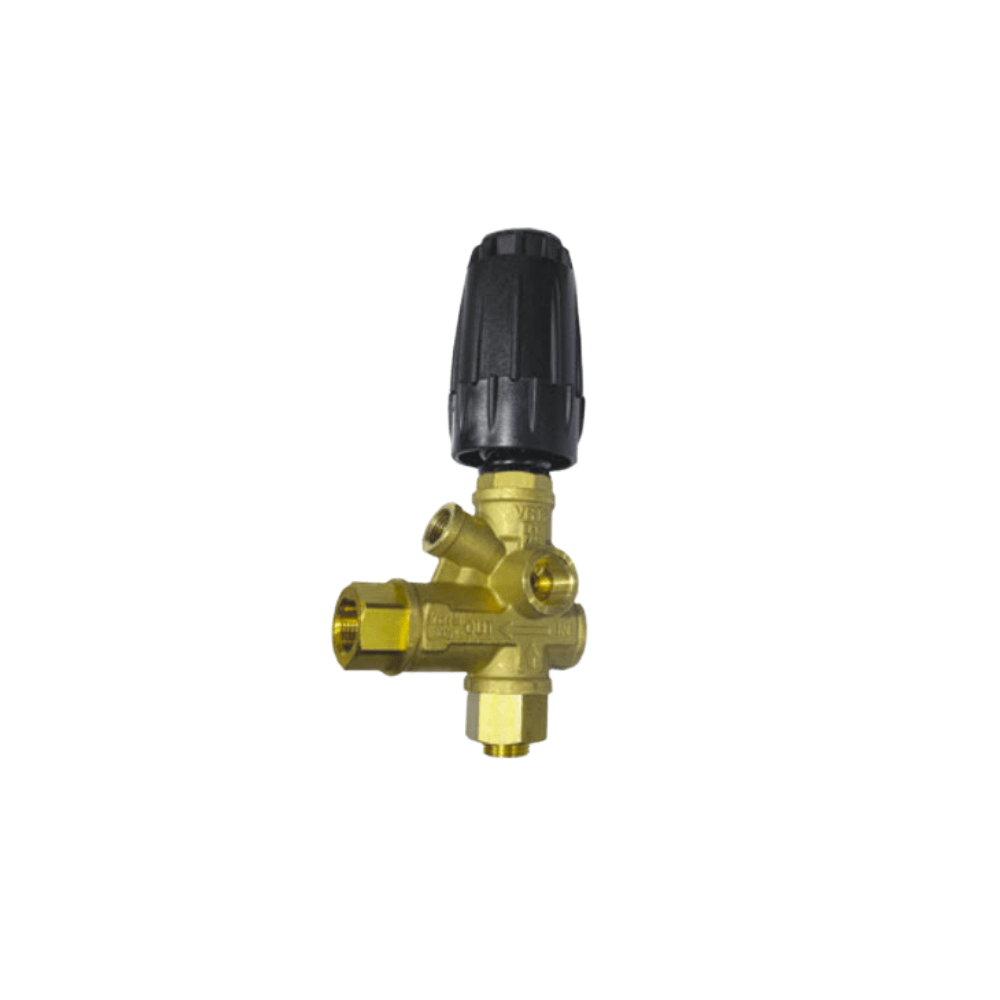
A brass head under that regime does not fail dramatically. It pits, the valve seats lose their sealing surface, and pressure falls away over months until someone declares the pump worn out.
Why 316L specifically
Stainless is not one material. The 316 grade adds molybdenum, and molybdenum is what provides chloride resistance. In a plant running chlorinated sanitizer, a lower grade will still pit.
316L also provides the non-porous, cleanable surface that sanitation standards require. A pitted surface holds residue; a smooth one does not, and that distinction is what an auditor is actually looking at.
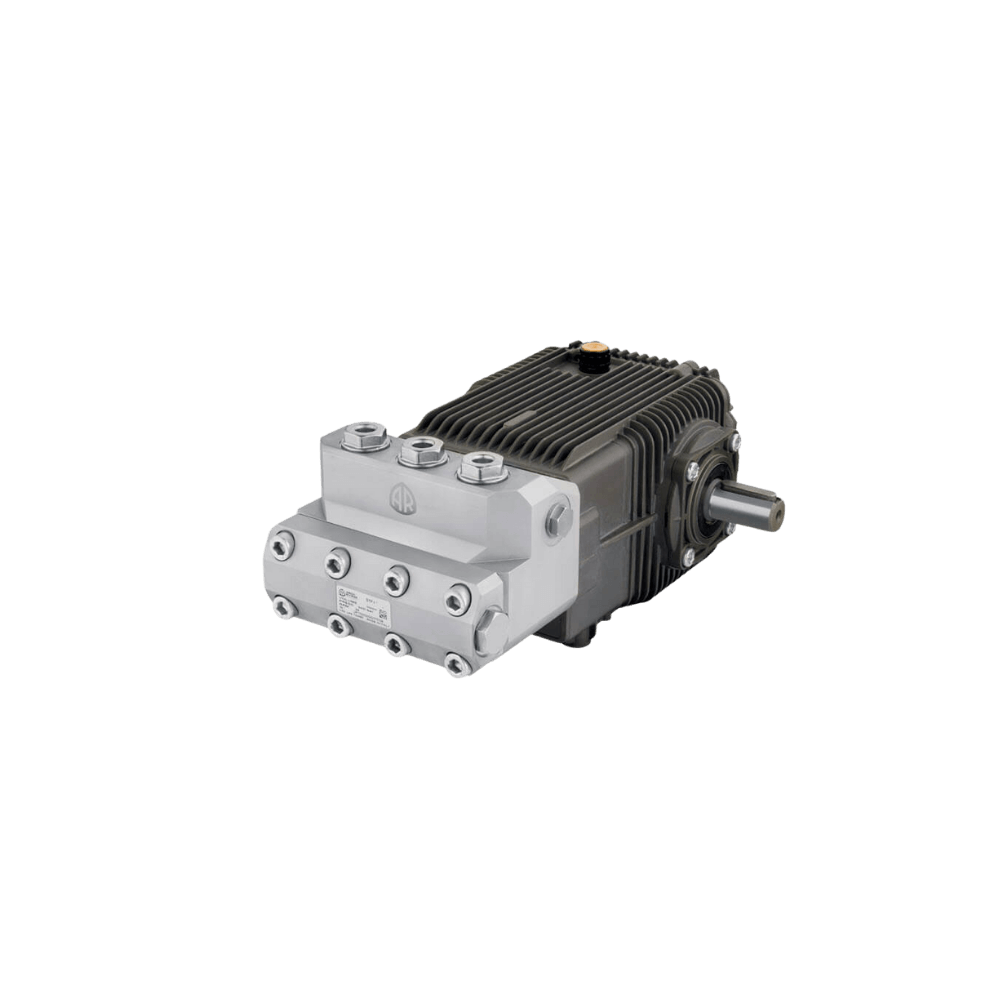
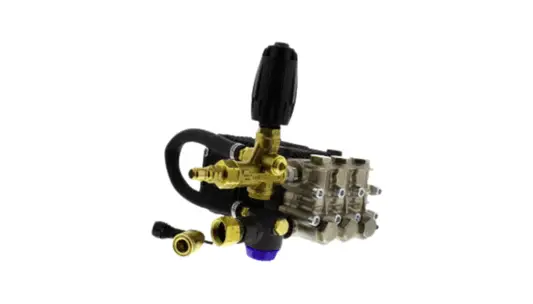
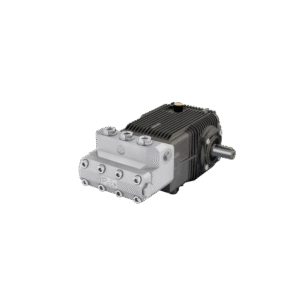
The stainless pump head range
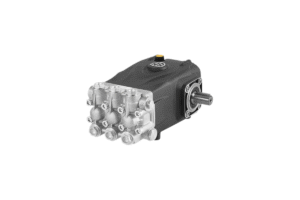
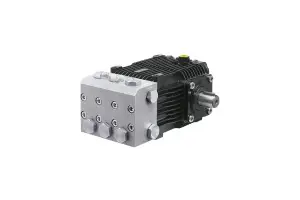
Stainless-head pumps span most of the flow range, so you do not have to compromise on output to get the material:
- XMASS3G10N, 3 GPM at 1,000 PSI, for light sanitary rinse on a 3 HP motor
- RKASS4.2G15N, 4.2 GPM at 3,000 PSI, compact washdown
- RKASS7G22N, 7 GPM at 2,200 PSI, USDA-compliant plant sanitation
- XWLASS12G22N, 12 GPM at 2,200 PSI, wide-coverage rinse
- XWLSS50.20NB, 13.2 GPM at 3,000 PSI with a 316L head
- RTDSS80-300N, 21 GPM at 4,350 PSI with a food-grade stainless head
One thing to watch when you are comparing these on paper: in the stainless families the part number is not a reliable guide to pressure. RKASS4.2G15N carries G15 and is rated 3,000 PSI, while RKASS23G15E-F33 carries the same G15 and is rated 1,500. The difference is the solid-shaft versus flange build, not the number in the name. Flow and the shaft and flange suffixes decode dependably; read pressure off the listing for the model you are actually buying.
Browse the whole stainless range to match your flow requirement.
Stainless head is not the whole system
The point people miss: a stainless head on a system with brass fittings is a partial solution, and in salt or sanitizer service it is worse than that. Dissimilar metals in contact set up a galvanic cell, and the brass corrodes preferentially.
Match the material through the whole wetted path: stainless quick connects, stainless swivel, stainless hardware. Otherwise the fitting becomes the failure point and takes the benefit with it.
And temperature is a separate question
Stainless handles chemistry. It says nothing about the seals. If you run hot water sanitation, you need a hot-water-rated build as well as a stainless head, and they are different specifications on the order.
The XHWASS line covers both: stainless head with PTFE seals for hot chemical service.
The cost argument
A stainless pump costs more up front. In a plant where the alternative is rebuilding a brass head every few months, and where a sanitation failure is a regulatory event rather than a maintenance one, the arithmetic is not close.
Specifying a washdown system? Send your flow requirement, water temperature and the chemistry you run and you will get a pump and fittings specified together.