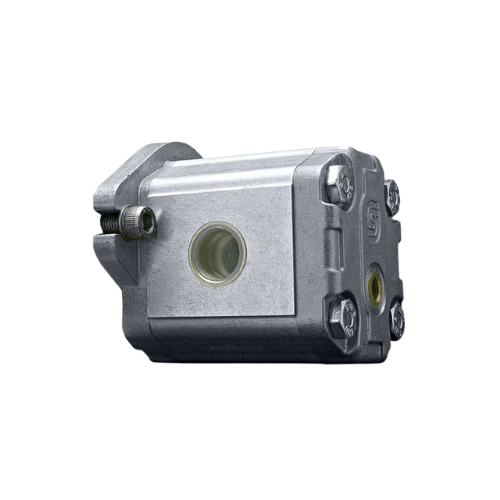
HYDM180M Hydraulic Motor | 1.09 cid Bi-Rotational | The 5.5 GPM Class Driver
HYDM180M carries two distinctions in the motor line, and either alone would earn its place. It is the 1.09 in³ (17.9cc) displacement whose torque at 2,900 PSI continuous delivers the ~11 horsepower the 5.5 GPM pump class consumes — the RK 21-frame muscle units that refuse the flow-versus-pressure trade. And it is bi-rotational: built to run correctly in either direction, which quietly solves one of hydraulic installation’s classic traps before it happens. A circuit that turns out to spin opposite to plan, a mirrored deck layout, a machine whose auxiliary was plumbed for the previous attachment — situations that normally mean a special-order motor or a re-plumbing project become, with the HYDM180M, a hose connection and nothing more.
The flow math suits real machines: 6.73 GPM rated at 1500 RPM (about 6.5 at pump speed), 11.82 GPM at the 2500 RPM ceiling — squarely inside skid steer auxiliaries, tractor remotes, and truck hydraulic systems. One part number covers the muscle-pump tier, the reversed installation, and the fleet spare that fits either — which is exactly the kind of consolidation a parts shelf loves.
HYDM180M Specifications
- SKU: HYDM180M
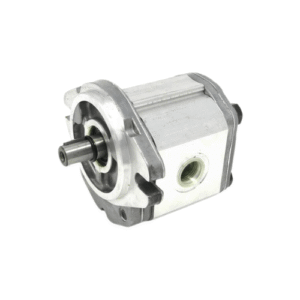
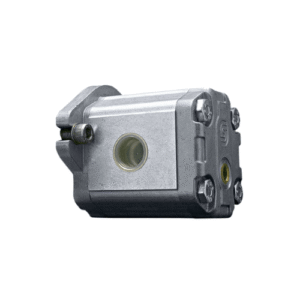
- Type: External gear hydraulic motor — bi-rotational
- Displacement: 1.09 in³ (17.9cc) per revolution
- Rated Oil Flow: 6.73 GPM at 1500 RPM; 11.82 GPM at maximum RPM
- Maximum Speed: 2500 RPM
- Pressure Ratings: 3,260 PSI peak / 2,900 PSI continuous / 3,045 PSI intermittent
- Rotation: Bi-rotational — operates correctly in either direction
- Case Drain: 1/4″ SAE-6 O-ring port
- Shaft: 5/8″
- Ports: 1-1/16-12UNF (SAE-12 O-ring)
- Drive Duty: Approximately 11 HP of pump drive at 1450 RPM within the continuous rating
Sizing the HYDM180M
The selection line — RPM ≈ 231 × hydraulic GPM ÷ 1.09 — lands the pump at 1450 RPM on about 6.5 GPM of oil, with the 2500 RPM ceiling deserving respect when pairing against higher-speed pump ratings: this is a motor built for the 1450-class world, not a spinner. Torque follows pressure — T ≈ 1.09 × ΔPSI ÷ 6.283 — and at 2,900 PSI continuous it carries the ~11 HP tier where the RK 21.20 / 5.5 GPM platforms live, with the 4 GPM class’s high-pressure duty inside reach as well. Verify your circuit sustains the flow at working pressure continuously, mind that circuits relieving near 3,000 PSI leave slim margin above this motor’s continuous rating, and call WSHPWR with the machine’s numbers for the confirmed match.
Why Bi-Rotational Matters
Standard gear motors are direction-specific by port assignment — reverse the lines and the pump spins backward, and a triplex run backward starves its splash lubrication silently until the damage presents as a failed bearing far ahead of schedule. The HYDM180M deletes that entire failure category at the source. Commissioning surprises become a hose swap instead of a motor exchange. Mirrored twin-pump decks run one part number on both sides instead of stocking left- and right-hand variants. The fleet shelf carries one spare that fits every orientation in the yard. And the installer who discovers the circuit’s true rotation at first start-up — as installers regularly do — simply proceeds. In a product category where the expensive mistakes are directional, a motor with no wrong direction is worth naming in the title.
Completing the Build
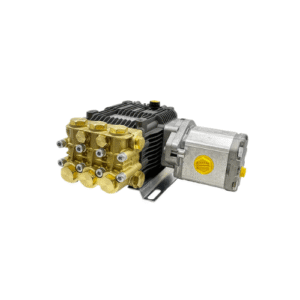
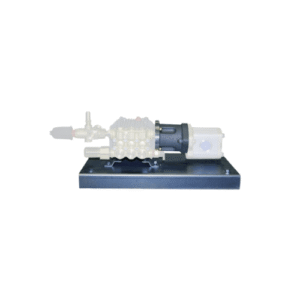
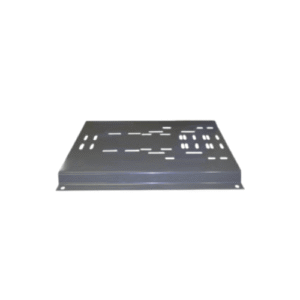
The HYDM180M is listed compatible with both small-frame base kits — the HYDBK1 close-couple base and the HYDBK2 flex-coupler base — so motor, pump, and mounting arrive as one coordinated order that assembles the first time. As a repower for fielded 5.5 GPM packages it is equally contained: confirm shaft and mount, swap the component, run the same afternoon — in either rotation the installation demands.
Installation & Operation Notes
Bi-rotational capability removes the rotation *penalty*, not the rotation *check*: confirm at commissioning that the pump turns in its own marked direction, then proceed knowing the motor is happy either way. Set the circuit relief at or below the 2,900 PSI continuous rating, specify 10–25 micron return filtration with an adequate beta rating, route the return short and unrestricted to tank, and plumb the 1/4″ SAE-6 case drain above reservoir oil level to prevent aeration. Provide oil cooling for continuous trigger-on duty, respect the 2500 RPM ceiling, and verify pump speed at commissioning by the flow-÷-displacement math or a phototach — the pump’s rated RPM governs, always.
Quality Assurance & Maintenance
Every HYDM180M is factory-tested and verified for fitment before shipment. The ongoing program is gear-motor minimal — clean, filtered oil, a correct relief, periodic hose-end and drain-line inspection, no scheduled internal service — and the bi-rotational build adds one more quiet economy: the spare on the shelf never turns out to be the wrong-handed one.
HYDM180M Key Features & Applications
- 1.09 cid bi-rotational gear motor — runs correctly in either direction, by design.
- Torque-matched to the 5.5 GPM / RK 21-class pump tier at ~11 HP; 2,900 PSI continuous.
- Pump-speed drive from ~6.5 GPM of oil; deliberate 2500 RPM ceiling for the 1450-class world.
- One spare covers every rotation in the fleet; commissioning surprises become hose swaps.
- Listed compatible with HYDBK1 and HYDBK2 base kits; SAE-12 ports, 5/8″ shaft, SAE-6 case drain.
- Ideal for 5.5 GPM muscle-pump drives, mirrored and reversed deck layouts, twin-pump systems, commissioning-proof builds, and fleet standardization on a single motor SKU.
Only logged in customers who have purchased this product may leave a review.





Reviews
There are no reviews yet.