AL0124722810 Sewer Foot Valve 3000 PSI | High-Pressure Jetting
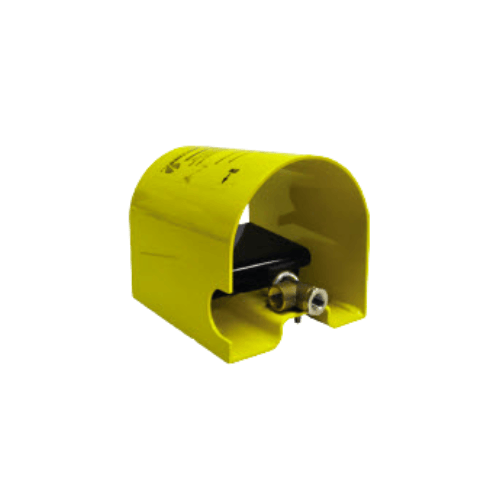
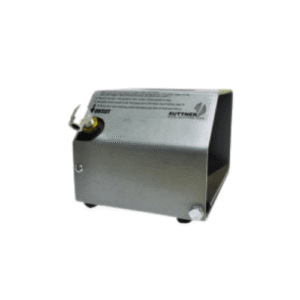
AL0124722810 – Sewer Foot Valve 3,000 PSI | Pedal Control is a 3,000 PSI sewer foot valve that
delivers precise, hands-free on/off at the jetter for safer work. Its rugged build keeps a tight seal and smooth
control under daily use, giving operators local command of high-pressure water jetting right at the point of work.
The AR AL0124722810 is engineered for high-pressure jetting where dependable, hands-free flow
control directly improves operator safety, accuracy, and productivity at the cleanout.
Why Foot Control at 3,000 PSI Matters
AL0124722810 Hands-Free On/Off at the Cleanout
- Rated to 3,000 PSI to match common jetter pumps and hose systems.
- Serves as the immediate on/off command at the entry point so the operator can apply cutting pressure and shut it
down instantly during hose repositioning, camera checks, nozzle swaps, or unexpected conditions.
- Keeps control where the work happens instead of at a remote panel or truck deck.
Reducing Fatigue and Reaction Time
- Moves control underfoot so both hands stay free to manage hose advance and tools.
- Shortens reaction time when obstructions shift or visibility changes in wet, confined spaces.
- Compact, stable form factor sits securely on typical job-site surfaces; clear pedal travel provides positive
feedback so “on” means flow and “off” means closed.
Flow Path & In-Line Behavior
AL0124722810 Smooth, Repeatable Sealing
The internal flow path is designed for repeatable sealing and smooth transitions between closed and open, helping
preserve pump energy so the downstream jet tool receives steady pressure for reliable cutting performance. A tight,
leak-resistant seal reduces nuisance drips that can create slip hazards or hide upstream issues.
Control Rhythm During Cleaning
During cleaning, the operator can pulse flow to test cuts, clear loosened debris, or pause while the nozzle turns a
bend—conserving water and limiting unnecessary pump runtime. Because control is local, a single worker can modulate
flow while managing hose advance, and larger crews can coordinate signals more easily when multiple tasks are
occurring around the access point.
Field Setup & Operating Technique
Staging for Safe, Predictable Operation
- Stage the valve on a firm, debris-free surface near the line entry.
- Route hose to avoid sharp bends that could choke delivery or cause whip.
- Verify all threaded connections are clean and tighten unions to a firm, even seat.
- Before full pressure, bring the system up gently to confirm the pedal opens and closes without hesitation and
that the hose settles without unexpected movement.
Good Housekeeping Around the Pedal
- Store hose coils away from the pedal travel path.
- Keep the tread free of grit that could affect footing or pedal motion.
- Avoid placing tools where they might interfere with pedal travel or snag the hose.
Maintenance That Protects Uptime
End-of-Shift Care
- Depressurize and drain the line before disconnecting.
- Wipe the exterior to remove grit and residue.
- Inspect sealing faces, confirm threaded joints remain tight, and verify the pedal returns cleanly.
Periodic Inspection & Service
- Check wear points, gaskets, and internal components for signs of leakage or sluggish movement.
- Address minor leaks promptly to maintain a clean work area and full system pressure at the nozzle.
- Replace worn seals and components on a schedule aligned with fleet maintenance to avoid unplanned downtime.
Priority Applications
Residential, Commercial & Municipal Jetting
- Short residential laterals where immediate shutoff limits splash-back and protects surroundings.
- Longer commercial or institutional runs where coordinated pedal control aids camera work and nozzle guidance.
- Municipal segments where fast, decisive flow control helps manage root cutting, scale removal, grease clearing,
and end-of-line flushing.
AL0124722810 Sewer Foot Valve 3000 PSI | High-Pressure Jetting
AL0124722810 – Sewer Foot Valve 3,000 PSI | Pedal Control functions as both a safety device and a
productivity tool. By putting clear, decisive on/off control under the operator’s foot, it anchors a predictable
workflow that keeps attention on the nozzle’s position and the line’s response—not on remote start/stop routines.
Used with sensible procedures—steady stance, clear communication, and deliberate hose routing—the foot valve helps
crews finish more footage per shift with fewer interruptions and less fatigue, while maintaining a clean, organized
job site.
Only logged in customers who have purchased this product may leave a review.





Reviews
There are no reviews yet.