5% off First Purchase
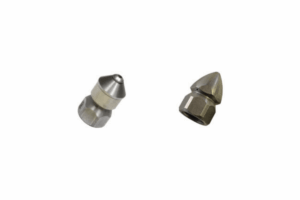
SNA Sewer Cleaning Nozzles

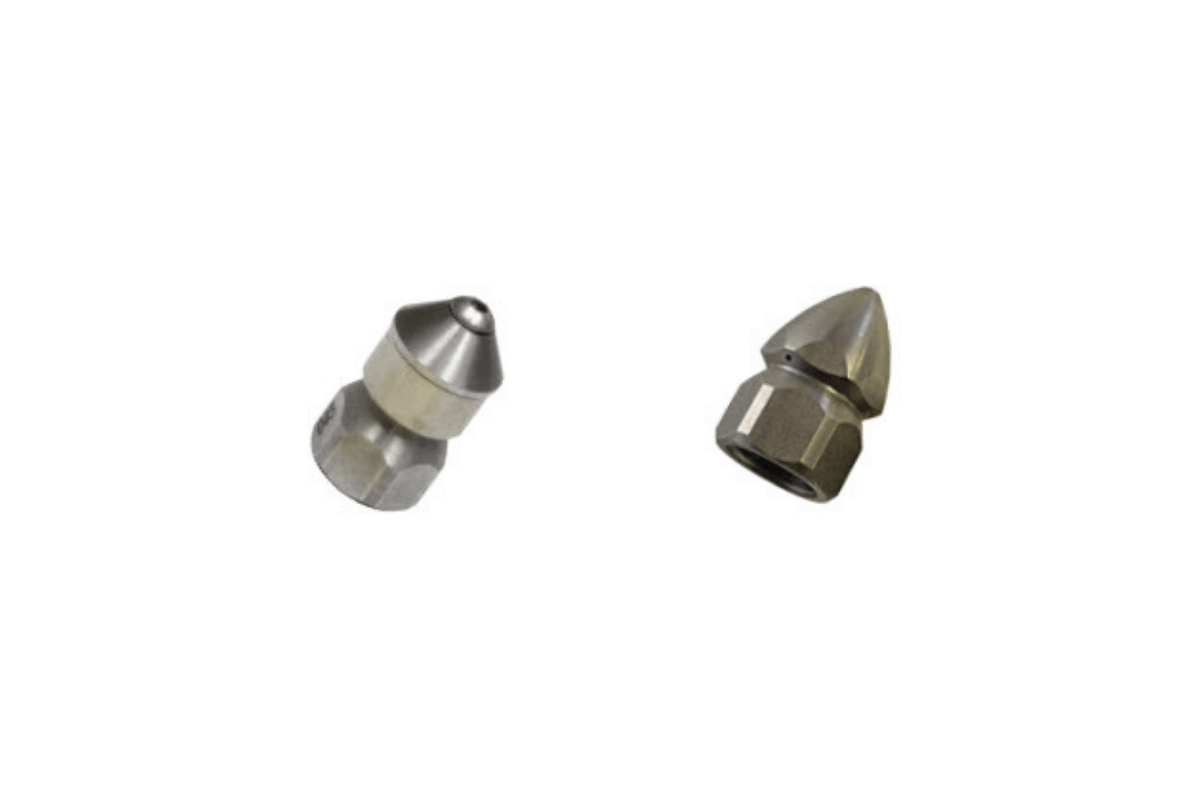
SNA sewer nozzles do two jobs at once. Rear-facing jets push the hose up the pipe, which is the only reason it travels at all. Forward jets cut into the blockage ahead of it. The ratio between those two, and the angle of the rear jets, is what separates a nozzle that clears a line from one that stalls forty feet in.

The SNA series covers that range in four body sizes. All are rated 4,350 PSI, with nickel-plated steel bodies, stainless nipples and ceramic tips.

Four sizes, and what each is for

Body Inlet Weight Working diameter Typical line
SNA1 1/4 in 0.7 lbs 3.14 to 5.9 in Residential laterals, small drains
SNA2 1/4 in M 0.93 lbs Mid-range Small to mid-sized commercial lines
SNA3 1/4 in M 2.5 lbs Up to 9.8 in Grease, roots and scale in mid-size lines
SNA4 1/2 in F 0.93 lbs Up to 11.8 in Municipal mains, industrial pipelines

The complete SNA nozzle model list

SNA1, for small lines

SNA2, small to mid

SNA3, the heavy 1/4 in

SNA4 with 3/8 in F inlet

SNA4 with 1/2 in F inlet

Choosing an SNA nozzle

  1. Start with the inlet. Your jetter hose thread decides the body size before anything else does. 1/4 in for small jetters, 3/8 in for most municipal trucks, 1/2 in for the largest.
  2. Then pipe diameter. A nozzle far smaller than the pipe leaves the walls uncleaned. One too close to the pipe wall gets stuck on offsets and root intrusions.
  3. Then blockage type. Grease and sludge flush with rear-jet thrust. Roots and hard scale need forward cutting.
  4. Then hose run. Long runs need more rear thrust to keep advancing, which is what the higher TPR numbers give you.

Match the nozzle to the pump, not the other way round

The 4,350 PSI rating is a ceiling, not a target. What determines how the nozzle actually behaves is the flow your jetter delivers through the orifices you have chosen. Too little flow for the orifice size and pressure collapses; too much and you exceed the nozzle rating.

Get the pairing right and a nozzle clears in one pass. Get it wrong and crews blame the pipe.

SNA nozzles and hot water

Temperature matters more here than it looks. Grease is the most common blockage in commercial kitchen laterals, and hot water lifts it far faster than pressure alone. These nozzles are rated to 320°F, so hot water is well within them. The thing to check is everything else in the line: confirm the hose and fittings between the pump and the nozzle carry the same rating before you run hot.

Where SNA sewer nozzles are used

  • Municipalities: storm drains, culverts, sewer mains
  • Contractors: residential laterals, commercial kitchens, apartment complexes
  • Industrial plants: descaling, chemical waste lines, slurry pipelines
  • Environmental services: wastewater treatment and recycling facilities
  • Marine: dock drainage and bilge lines

Browse the full sewer and drain cleaning range, or send your jetter’s flow and pressure plus the pipe diameter and you will get a specific part number.

Scroll to Top

5 % Coupon

One-time welcome discount for first-time customers. Stay tuned for future offers.

RRA4G30N-VRT-PKG Pressure Pump
First Time Purchase

5% Off

Welcome to WSHPWR

Unsubscribe anytime. We respect your privacy.