A pressure washer pushes a steady stream. A sewer jetter pulses. That difference is most of why a jetter clears a line and a pressure washer does not, and it comes down to one valve.
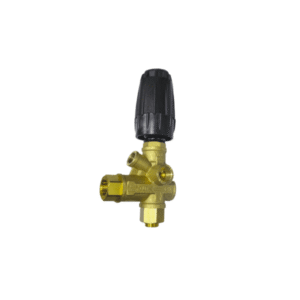
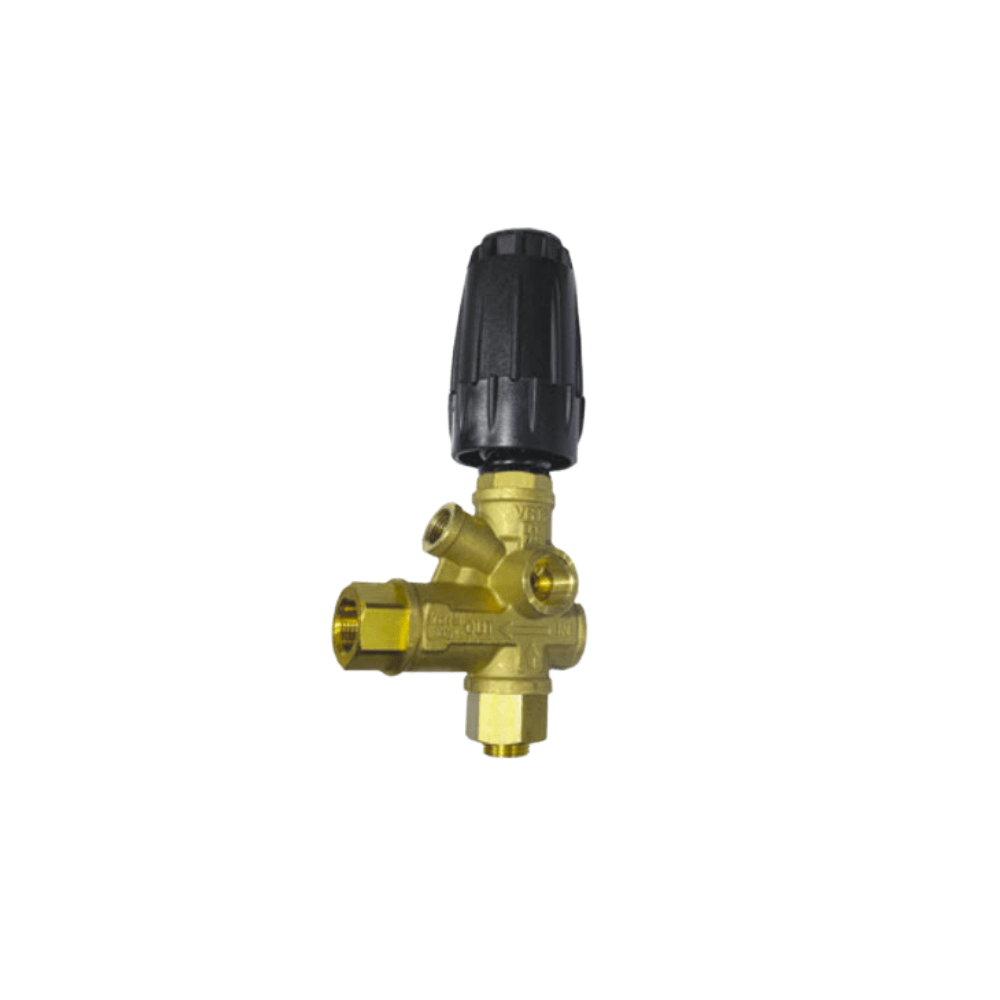
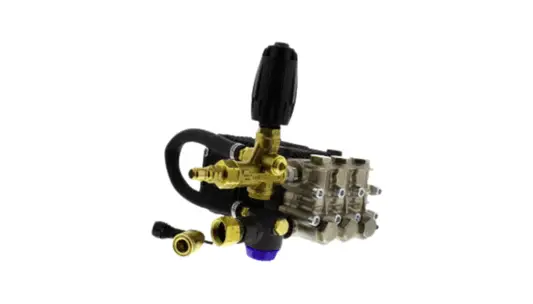
A pulsation valve, or jetter valve, threads into the pump head and lets you disable one of the three outlet valves on demand. The pump then delivers water in rhythmic bursts instead of a smooth flow.
Why pulsing works
Two things happen, and the second one is the one people underestimate.
Impact. Roots, hardened grease and scale resist steady pressure. Rapid pressure cycling fatigues the deposit and breaks it apart, the same principle as a hammer drill.
Hose advance. The pulsing vibrates the hose, which reduces friction against the pipe wall and lets it feed through bends and long runs that it would otherwise stall in. On a long lateral, pulsation is often the only reason the nozzle gets to the blockage at all.
Close the valve and the pump goes back to normal continuous flow, so the machine does both jobs.
Matching the valve to your pump
Jetter valves are pump-family specific because they thread into the head. There is no universal one.
Check your pump’s family before ordering. Installation is a thread-in job with ordinary shop tools; getting the right part is the harder half.
Building a jetter around one
A purpose-built jetting trailer is a large capital purchase. A pressure washer that converts is not, and for a plumber, a property manager or a small municipality that difference decides whether the capability exists at all.
You need six things:
Engine. A 420cc class engine drives a 4 GPM / 4,000 PSI pump. Larger displacements suit larger pumps.
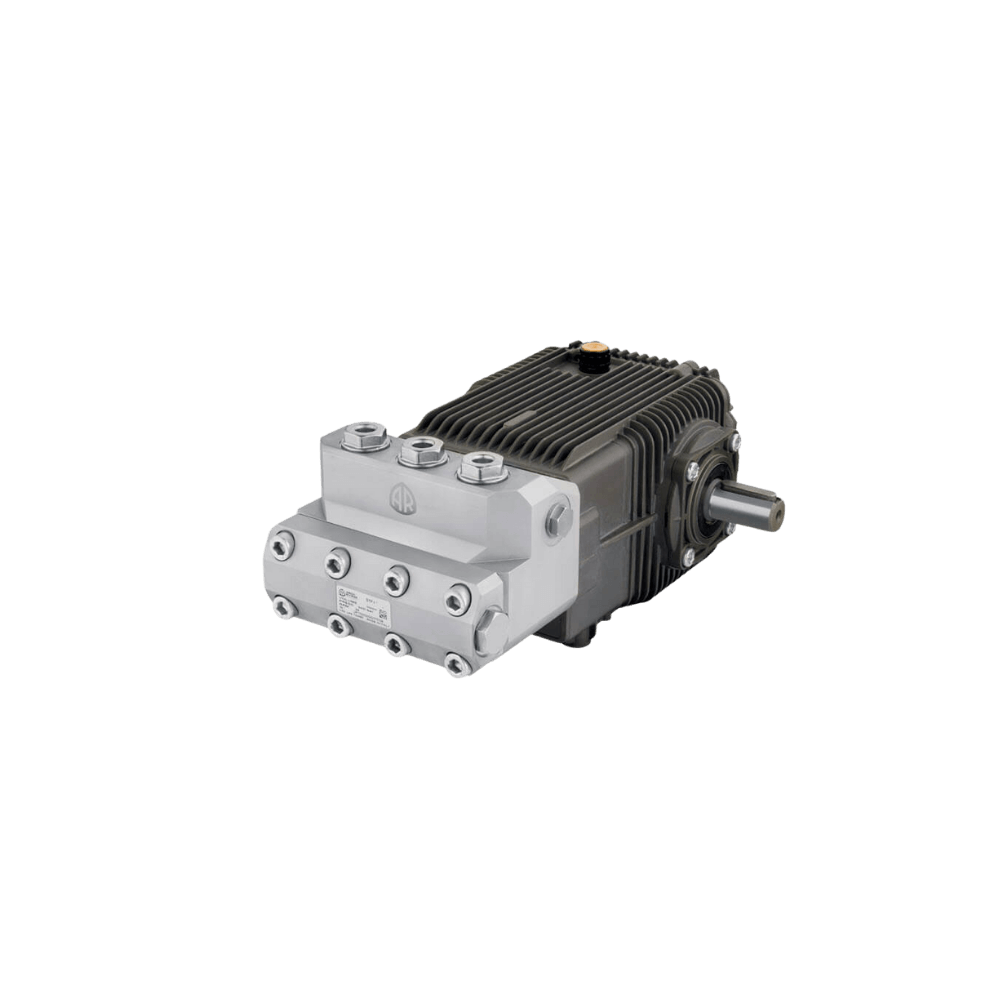
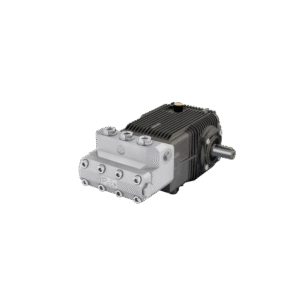
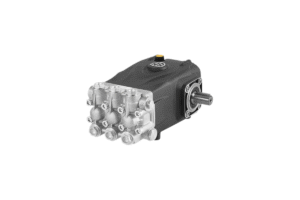
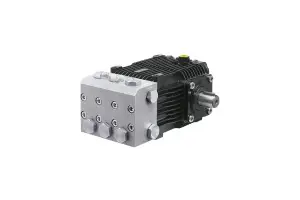
Triplex pump, typically 3 to 8 GPM at 2,500 to 4,000 PSI. Flow matters more than pressure for jetting, because flow is what carries debris out.
Jetter valve matched to the pump family.
Sewer jetting hose, which is a different product from pressure washer hose: more flexible, abrasion resistant, built to be dragged through pipe.
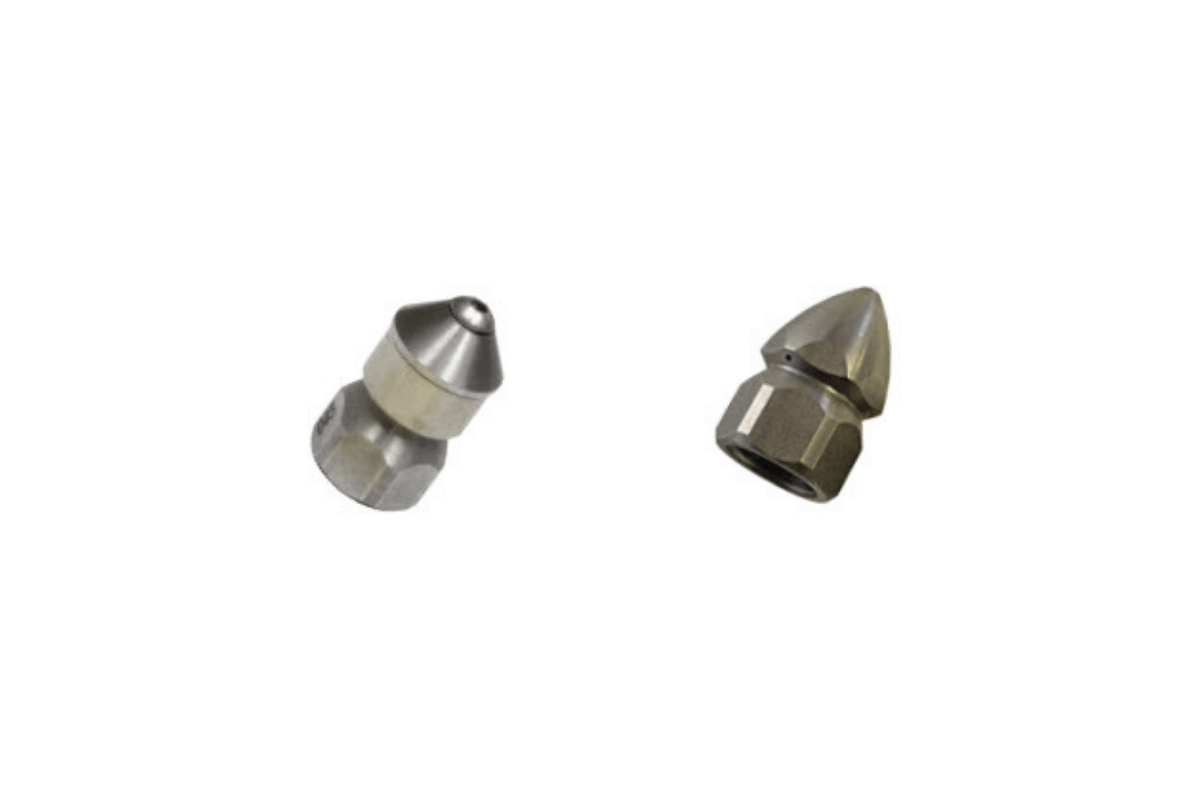
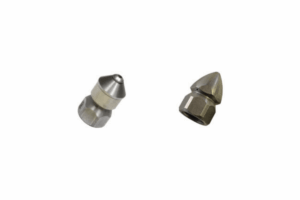
Sewer nozzles sized to the pipe and matched to your flow, with rear jets for thrust and forward jets for cutting.
Where this opens work
Plumbing contractors: sewer line cleaning on residential and commercial calls
Property maintenance: apartment complexes, schools and municipal facilities, without waiting on an outside vendor
Restaurants and food service: grease traps and kitchen drains
Small municipalities: lateral and storm drain maintenance in-house
Environmental services: storm drains and culverts
Industrial facilities: process piping and ductwork
Before you jet
Jetting is more hazardous than pressure washing, and the reason is that the nozzle is out of sight.
A nozzle can reverse and come back out of the pipe at the operator. Never pull a running nozzle back to the entry point.
Use a foot control, so stopping the water does not require letting go of the hose.
Match nozzle to flow. A nozzle sized for more flow than your pump makes will not generate thrust and will stall in the line.
Confined space rules apply when working in manholes and vaults, and they are not optional.
Pulsation valve maintenance
Jetter valves are simple: thread in, lever to switch modes, occasional inspection for wear. The pump needs more attention than usual though, because jetting means long runs at full pressure with the water often carrying grit back through the system. Filter the inlet and keep to the oil schedule.
Not sure which valve fits your pump? Send the pump model and you will get the right part number and a nozzle recommendation for the lines you work.
The Honda GX200 is a small engine, and the mistake people make with Honda GX200 pump packages is buying a
Manage Consent
To provide the best experiences, we use technologies like cookies to store and/or access device information. Consenting to these technologies will allow us to process data such as browsing behavior or unique IDs on this site. Not consenting or withdrawing consent, may adversely affect certain features and functions.
Functional
Always active
The technical storage or access is strictly necessary for the legitimate purpose of enabling the use of a specific service explicitly requested by the subscriber or user, or for the sole purpose of carrying out the transmission of a communication over an electronic communications network.
Preferences
The technical storage or access is necessary for the legitimate purpose of storing preferences that are not requested by the subscriber or user.
Statistics
The technical storage or access that is used exclusively for statistical purposes.The technical storage or access that is used exclusively for anonymous statistical purposes. Without a subpoena, voluntary compliance on the part of your Internet Service Provider, or additional records from a third party, information stored or retrieved for this purpose alone cannot usually be used to identify you.
Marketing
The technical storage or access is required to create user profiles to send advertising, or to track the user on a website or across several websites for similar marketing purposes.