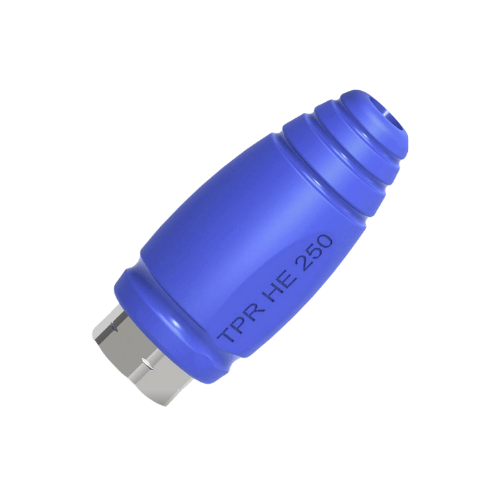
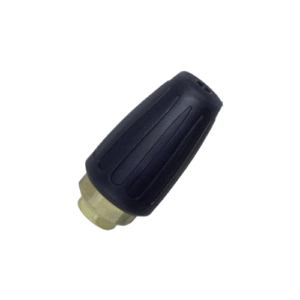
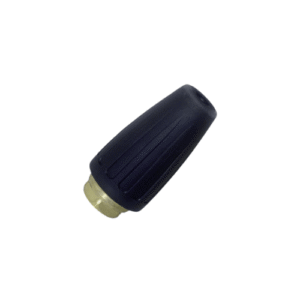
TPRHE250-12 Rotating Nozzle | 3625 PSI Turbo Cleaner
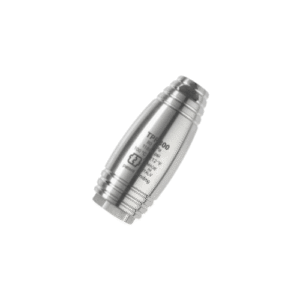
The AR North America TPRHE250-12 Hydro-Excavation Rotating Nozzle is a
high-capacity rotary nozzle engineered specifically for non-destructive digging, potholing,
daylighting, and soil removal with hydrovac trucks and trailer jetters. Built for working
pressures up to 250 bar (≈3,625 PSI), this nozzle is tuned for large
water volume and controlled impact, giving operators the power to cut through compacted soil,
clay, and mixed aggregate while helping protect buried fiber, conduit, and utility lines from
damage.
With a size-12 orifice, the TPRHE250-12 is one of the highest-flow models
in the 250-bar hydro-excavation range. The nozzle’s internal rotary turbine converts a narrow
0° jet into a powerful, sweeping cone that continuously breaks, loosens, and lifts soil into
suspension. This combination of high flow and rotary impact allows excavation crews to open
potholes, trenches, and utility windows faster, especially in deep or wide cuts where smaller
nozzles lose efficiency. The smooth and stable rotation also helps reduce wand kickback and
operator fatigue during long shifts.
TPRHE250-12 Key Features
- Rated 250 bar (≈3,625 PSI): Optimized for hydro-excavation systems that
require controlled, non-destructive soil cutting power.
- Size-12 orifice: Extra-large flow capacity for rapid excavation and fast
material displacement in demanding soil conditions.
- Rotating excavation cone pattern: Transforms a pencil jet into a wide,
rotating cutting zone that multiplies the number of impact events per second.
- Hydrovac-duty stainless body: Designed to withstand abrasive slurry, mud,
and jobsite contamination common to hydro-excavation work.
- Hardened rotor and seat components: Built for long life in high-flow,
high-cycle usage with intermittent dry-running and pressure fluctuations.
- Heat- and chemical-resistant materials: Suitable for use with warmed
water and typical excavation additives and conditioners.
- Standard excavation-lance inlet thread: Compatible with common wands,
lances, and truck manifolds used in vacuum excavation.
Hydro-Excavation Performance Advantages
- Maximum production on big cuts: The size-12 orifice allows the
TPRHE250-12 to move a tremendous amount of water, making it ideal for large potholes,
long trench runs, and deep utility windows.
- Non-destructive soil cutting: The rotary cone spreads energy over a
broader footprint, helping loosen soil and bedding material without concentrating force
on a single point where buried assets could be damaged.
- Fast removal of heavy, wet, or compacted soils: High flow and continuous
rotation help break up clay, dense fill, and mixed rock–soil conditions while allowing
the vacuum body to keep pace with material load-out.
- Reduced operator fatigue: Smooth rotor action and balanced flow reduce
reaction forces at the lance, making it easier to maintain control in vertical, overhead,
or extended-reach excavation positions.
- Improved visibility and control: A predictable cutting pattern and
consistent rotation give operators better feedback at the excavation face, improving both
safety and productivity.
Typical Applications TPRHE250-12
- Potholing & daylighting: Rapidly exposing buried fiber, gas, water,
power, and communications lines for inspection, tie-ins, or repair without mechanical
digging damage.
- Hydro-excavation trenching: Cutting long, narrow utility trenches for
conduit, irrigation lines, and shallow pipelines in congested or sensitive corridors.
- Large-diameter utility windows: Creating wide work areas around valve
boxes, manholes, and junction points where crews need elbow room to work.
- Urban & municipal work: Excavating in tight urban streets,
sidewalks, and easements where backhoes or mini-excavators are impractical or risky.
- Industrial & plant excavation: Digging around buried process lines,
electrical conduits, and utility galleries in refineries, mills, and manufacturing plants.
- Cold or frozen ground excavation: Paired with warmed water, the size-12
orifice helps penetrate frost layers and tough winter soil conditions more quickly.
Performance & Operating Guidelines
- Match pump flow to nozzle size: The TPRHE250-12 requires high water
volume for stable rotation and efficient soil cutting; verify that your hydrovac pump
can deliver the recommended GPM at working pressure.
- Maintain proper stand-off distance: Typically operated within
2–8 inches of the soil surface; nearer for tight control around utilities, farther back
for fast bulk removal.
- Use smooth, methodical passes: Allow the rotating cone to do the work
instead of forcing the lance; maintain a steady sweep for uniform excavation walls and
bottom.
- Monitor rotation & pattern: If the cone tightens, becomes uneven,
or rotation slows, check for debris, clay, or aggregate packed inside the nozzle body.
- Coordinate with vacuum system: For best results, keep the suction
tube positioned close to the cutting zone to remove slurry as it is created and prevent
re-compaction.
- Always follow hydrovac safety standards: Use appropriate PPE, lockout
procedures, and safe distances when operating near energized or pressurized utilities.
Maintenance Best Practices TPRHE250-12
- Flush after each shift: Run clean water through the lance and nozzle to
clear sand, clay, and rock fines from the rotor chamber and orifice.
- Inspect for wear: Regularly check the orifice, rotor, and seat for
erosion or chipping; declining performance or a widening spray zone often signals the
need for replacement parts.
- Keep threads and sealing surfaces clean: Remove grit from inlet threads
and sealing faces to ensure leak-free operation and easy removal in the field.
- Store in a protected case: When not mounted on the lance, keep the
nozzle capped or in a padded compartment to prevent impact damage during transport.
- Follow a preventative service schedule: In high-production fleets,
logging hours and cycles on excavation nozzles simplifies planning for insert and seal
replacement before performance drops on critical jobs.
Only logged in customers who have purchased this product may leave a review.



Reviews
There are no reviews yet.