Diagnosing low pressure is the most common call we get, and it is almost never the pump. Work through it in this order and you will usually find it in the first ten minutes.
The order matters. Start at the water supply and work downstream, because a starved inlet produces symptoms that look exactly like a worn pump, and people replace pumps over it every year.
1. The inlet supply
Your pump cannot discharge more water than it takes in. If the supply cannot keep up, pressure drops and the pump starts cavitating, which damages it while you are troubleshooting.
Check, in this order:
Is the tap all the way open
Is the supply hose full bore, and short. A long garden hose is a common culprit
Any kinks, including under the hose reel
The inlet filter or screen. Pull it out and look at it rather than assuming
If you are drawing from a tank, is the tank above the pump
A quick test: run the supply hose into a five-gallon bucket for thirty seconds. Double what you collect and you have your GPM. If that number is below what the pump needs, you have found the problem and nothing downstream matters.
2. The nozzle
This is the second most common cause and the easiest to confirm.
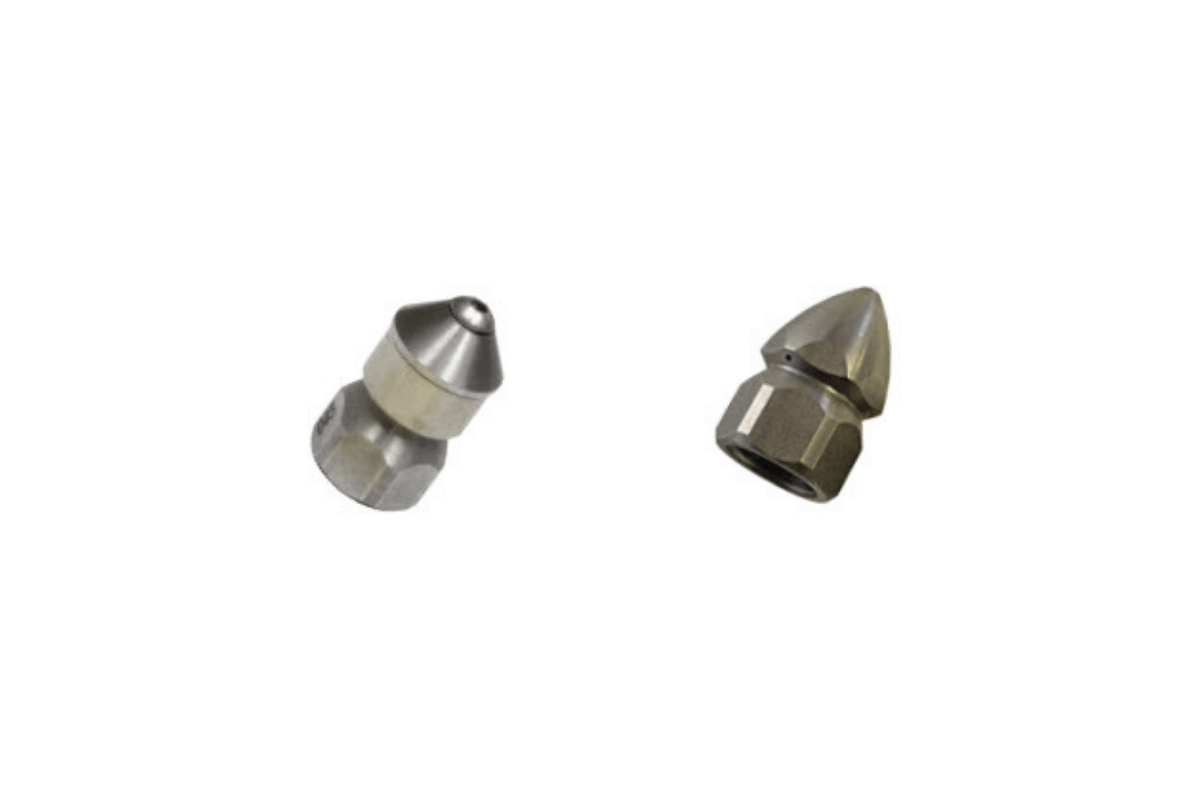
Nozzle orifices wear. They erode larger over time, and a larger orifice means lower pressure at the same flow. The wear is gradual, so you do not notice until the machine feels tired.
Swap in a new nozzle of the correct size. If pressure comes back, you are done. Keep a spare set, since they are cheap and they are the first thing to try.
Also confirm the size is right for your machine. An oversized nozzle will never build pressure regardless of how healthy the pump is.
3. Air in the system
If pressure surges and drops rather than sitting low, you have air, not wear.
Symptoms are a rattling or knocking sound from the pump, a pulsing jet, and bubbles visible in a clear inlet line. Causes are a loose inlet fitting, a cracked supply hose drawing air, or a filter housing not seated.
To purge: shut the machine off, open the water, hold the trigger open with the nozzle removed, and let it run until the stream is steady with no bubbles. Then start the machine.
Do not keep running a pump that is drawing air. Cavitation pits the valves and cracks ceramic plungers.
4. The unloader
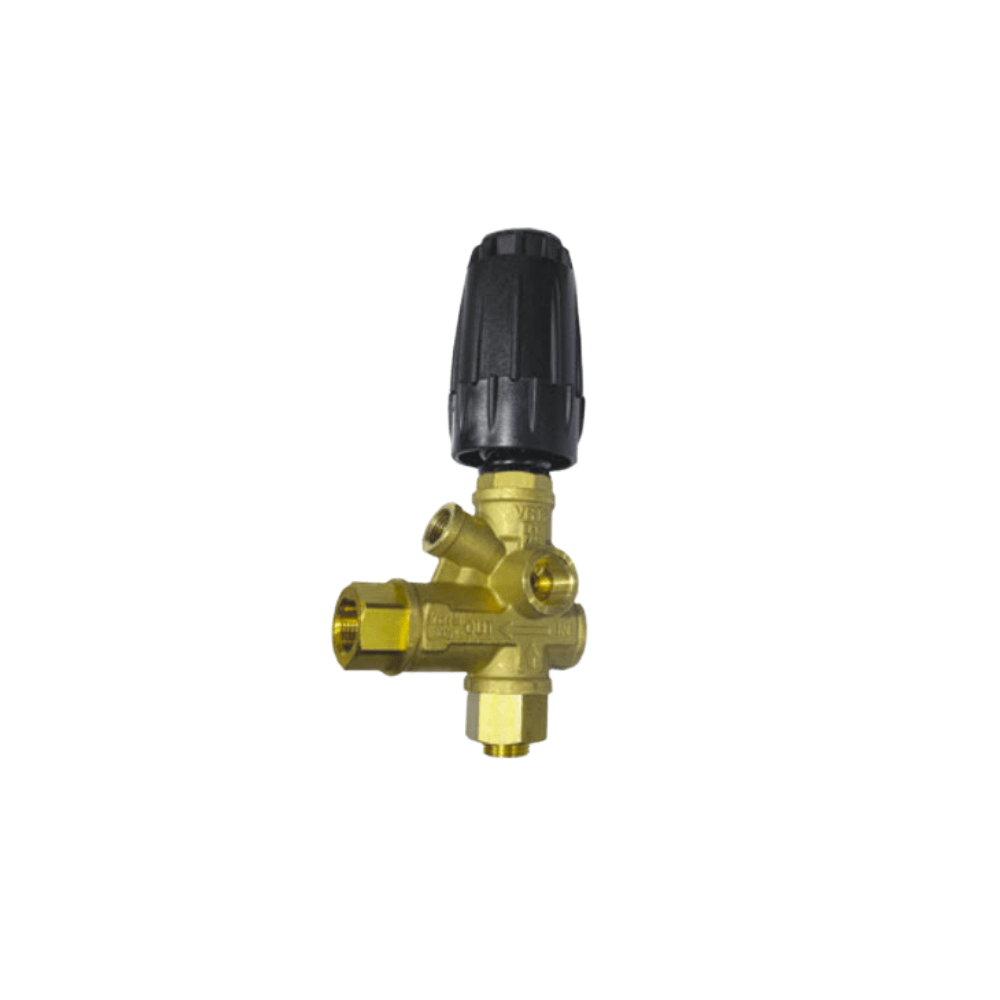
An unloader valve diverts flow back to the inlet when the trigger is closed. When it fails, it can stick partly open and bypass water it should be sending to the gun.
The tell is a machine that makes low pressure at the gun while the bypass line runs warm or hot. Unloaders also seize after storage, which is why this shows up on the first job of the season.
Work it by hand first. Many that seem failed are just stuck. If it is genuinely bad, a rebuild kit or a replacement is far cheaper than the pump people usually blame.
5. Check valves
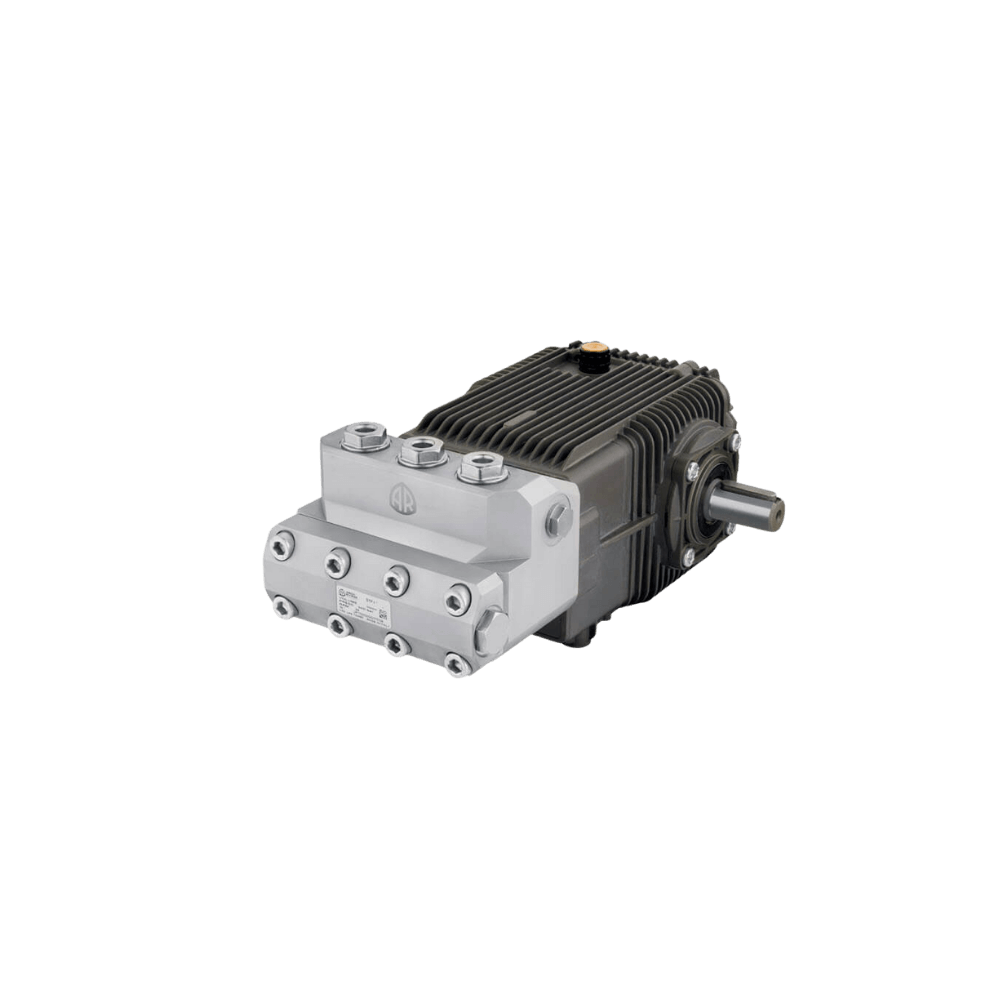
Now you are inside the pump. Six check valves, an inlet and a discharge per plunger, and they are the highest-cycle parts in the machine.
A valve held off its seat by a piece of grit, or one with a worn seat, lets water go backward on the pressure stroke. You lose roughly a third of your output per failed valve, so the drop is usually obvious rather than subtle.
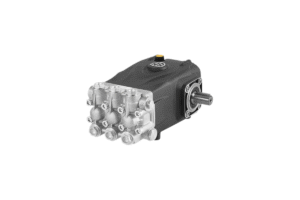
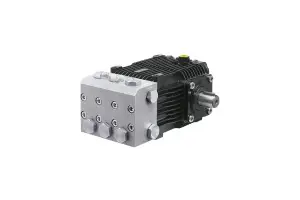
Most AR industrial pumps have external valve plugs, so you can pull and inspect without splitting the pump. Look for pitting on the seat, debris, and a spring that has lost tension.
6. Plunger seals
Last, because it is the least likely and the most expensive.
Worn seals lose compression, so pressure falls off gradually over weeks. The confirming sign is water weeping from the seal drain area under the pump, or oil turning milky in the sight glass, which means water is getting past into the crankcase.
Milky oil is a seal kit, not an oil change. Changing the oil and ignoring the cause just gets you milky oil again.
Diagnosing low pressure: quick reference
Symptom
Look at
Steady but low pressure
Nozzle size or wear, unloader
Pressure surging or pulsing
Air leak, cavitation, inlet restriction
Knocking or rattling
Cavitation. Stop and fix the inlet
Gradual decline over weeks
Nozzle wear, then valves, then seals
Sudden loss
Nozzle, unloader, or a single failed valve
Water under the pump
Plunger seals
Milky oil
Plunger seals, urgently
Bypass line hot
Unloader
If you have worked through all of that and still have low pressure, tell us the pump model and what you found at each step and we will help narrow it down. Contact us here, or browse unloaders and regulators.
The Honda GX200 is a small engine, and the mistake people make with Honda GX200 pump packages is buying a
Manage Consent
To provide the best experiences, we use technologies like cookies to store and/or access device information. Consenting to these technologies will allow us to process data such as browsing behavior or unique IDs on this site. Not consenting or withdrawing consent, may adversely affect certain features and functions.
Functional
Always active
The technical storage or access is strictly necessary for the legitimate purpose of enabling the use of a specific service explicitly requested by the subscriber or user, or for the sole purpose of carrying out the transmission of a communication over an electronic communications network.
Preferences
The technical storage or access is necessary for the legitimate purpose of storing preferences that are not requested by the subscriber or user.
Statistics
The technical storage or access that is used exclusively for statistical purposes.The technical storage or access that is used exclusively for anonymous statistical purposes. Without a subpoena, voluntary compliance on the part of your Internet Service Provider, or additional records from a third party, information stored or retrieved for this purpose alone cannot usually be used to identify you.
Marketing
The technical storage or access is required to create user profiles to send advertising, or to track the user on a website or across several websites for similar marketing purposes.