Most equipment failures on a cleaning crew are not surprises. They are things pre-shift checks would have caught in the first five minutes, if somebody had looked.
Here is a pre-shift routine that takes about ten minutes and catches nearly all of them.
1. Oil levels, all three
Engine, gearbox and pump each hold oil and each fails differently without it.
- Engine oil at the mark. Low oil means friction and heat, and most small engines have a low-oil shutdown that will strand you mid-job.
- Gearbox oil, if you run a reduction drive. Gears wear quietly and then all at once.
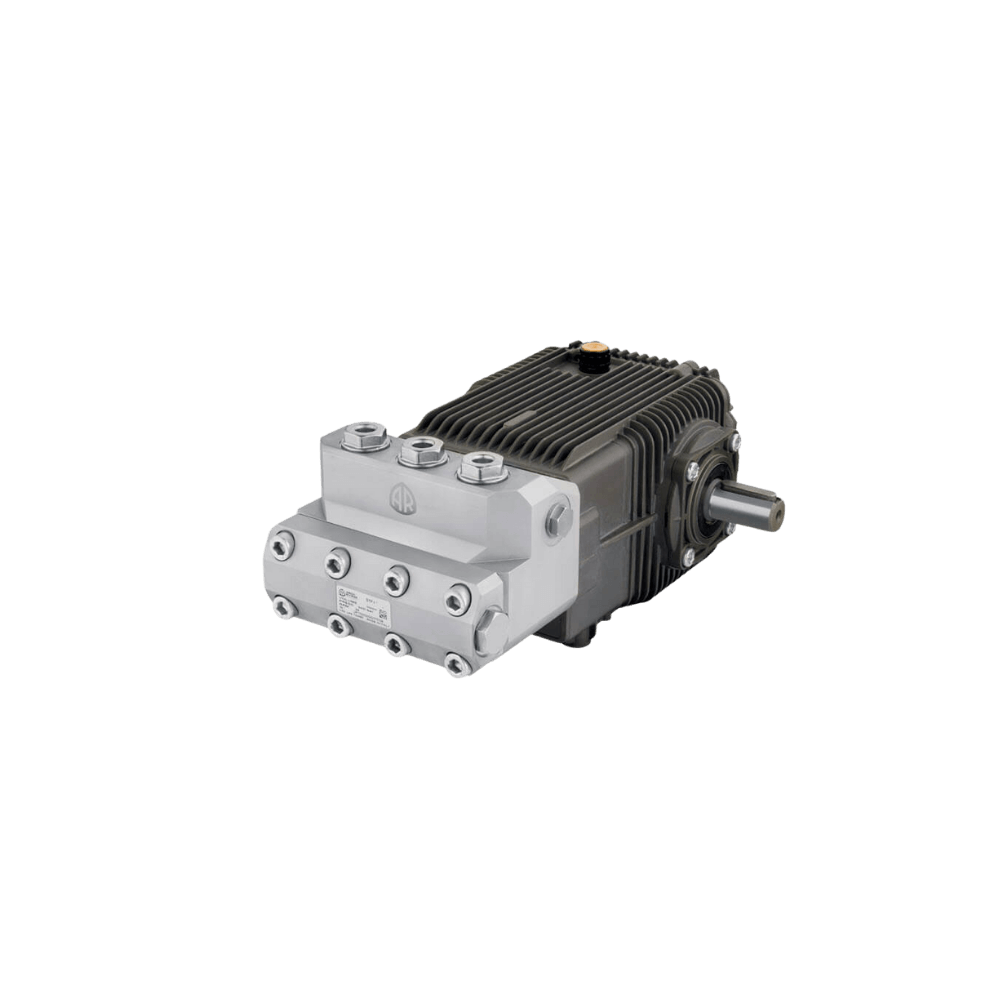
- Pump oil at the sight glass, and look at its colour. Milky oil means water is getting past the seals, and that is a stop-now problem because the bearings are next.
Topping up is not the fix if the level has dropped. Find the leak.
2. Fuel
Start the shift full. Running out mid-job costs more than the fuel.
- Gasoline: use fuel with ethanol content no higher than 10 percent. Ethanol attracts water and degrades in storage, and it is behind most of the carburettor problems on seasonal equipment.
- Diesel or kerosene for burners: use clean fuel. Contamination is the leading cause of burner failure, and burner service costs more than a season of filters.
3. Water filters
Clean the inlet screen before every shift. It takes two minutes and it prevents the most expensive failure on the rig.
A clogged filter starves the pump, which cavitates, which pits the plungers and scores the valve seats. That is the same damage as running with no filter at all, so fitting one and neglecting it buys you nothing.
While it is out, look at the mesh. Cracks, holes or permanent deposits mean replace rather than rinse.
4. Hoses and connections
- Run the hose through your hands, looking for bulges, cuts and abrasion. A bulge is a failure that has not happened yet.
- Check the quick connects. A coupler that needs persuasion to seat is already leaking.
- Look at the O-rings. Flattened or nicked rings are a one-minute fix now and a pressure loss later.
- Check that the swivel turns freely and is not weeping.
5. Nozzles
This is the check most crews skip, and it is why machines seem to get gradually weaker.
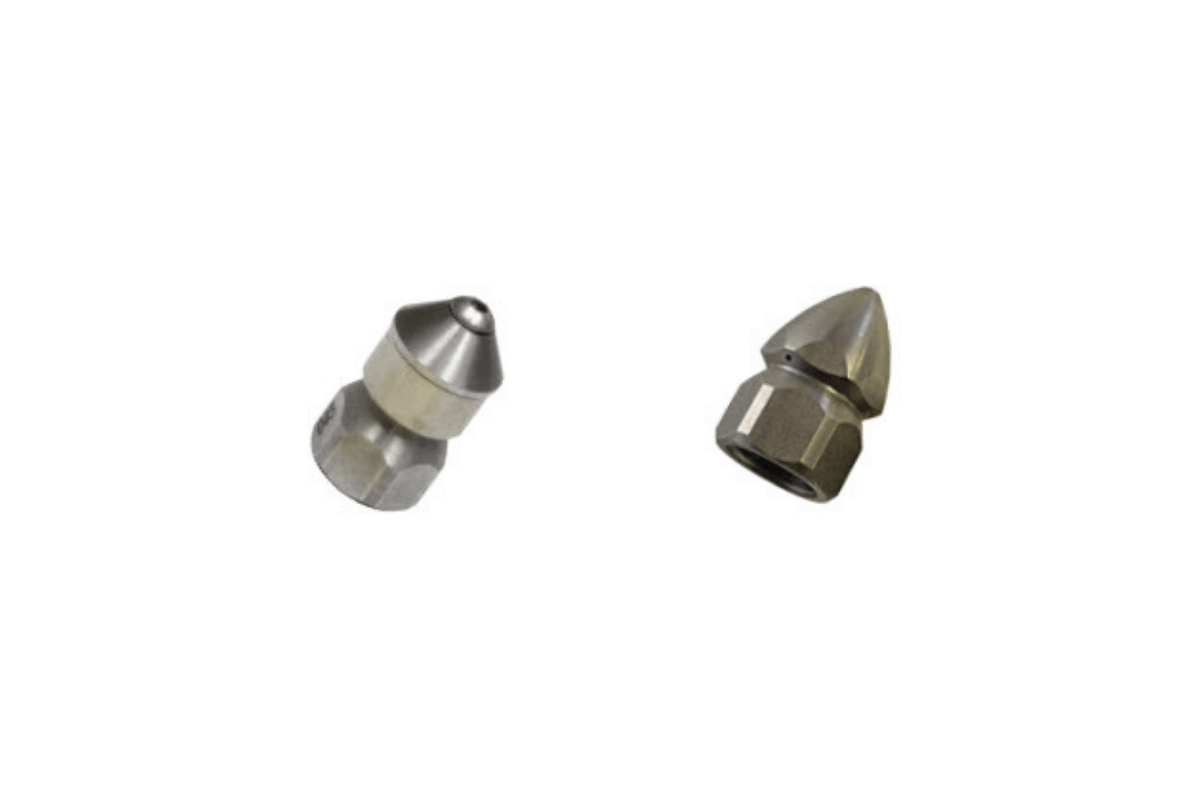
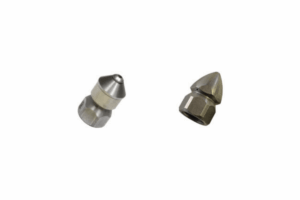
A worn orifice passes more water at lower pressure. Nothing fails, the cleaning just slows down, and everyone blames the pump. Keep a reference tip and compare, or replace on a schedule.
Confirm the tip matches the machine’s GPM too, especially if tips get swapped between rigs.
6. Safety devices
- Thermal relief valve fitted and not blocked
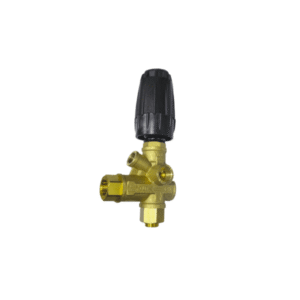
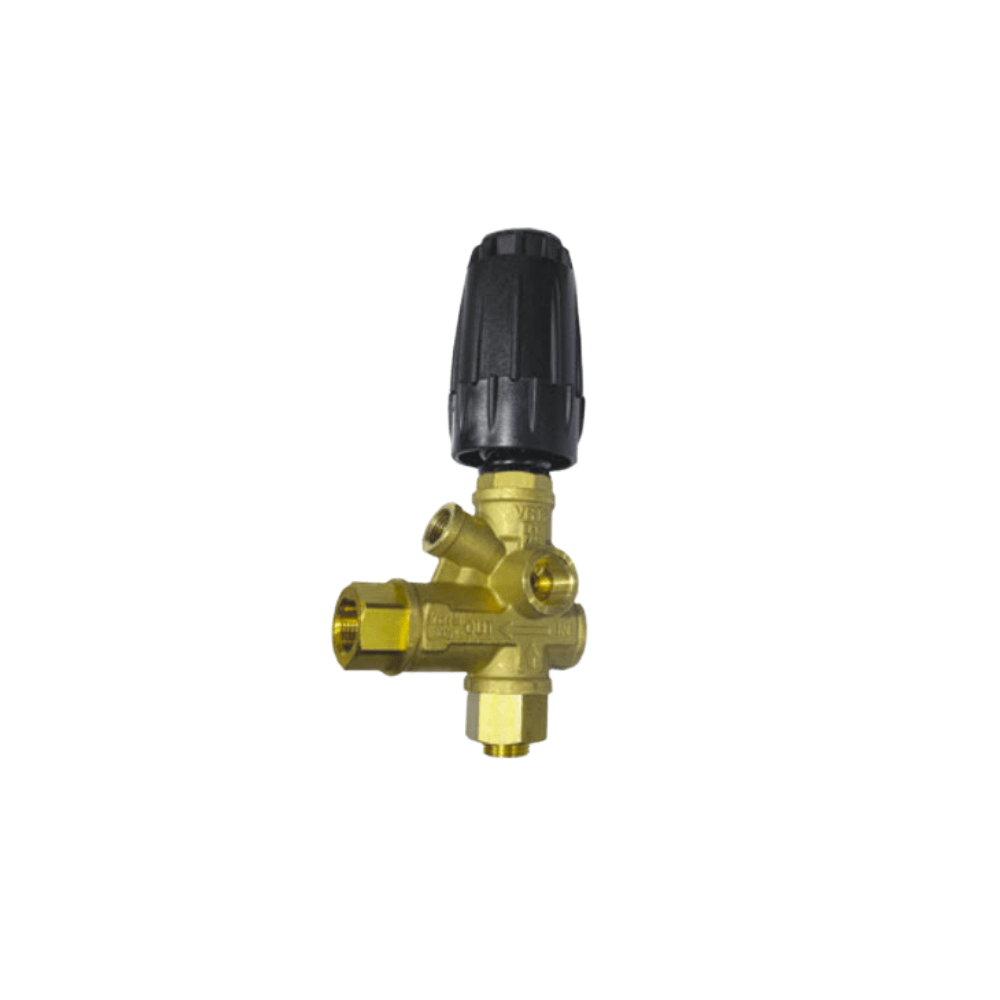
- Unloader set and locked, with no creep
- Trigger gun safety working
- Guards in place over belts and couplings
- Hot water systems: thermostat functioning and the burner shutoff tested
These are the parts that only matter on the day they matter.
7. A short run before you leave the yard
Start it, bring it to pressure, pull the trigger, release it and listen.
- Pressure holds steady with the trigger open
- Clean drop into bypass when you release
- No gravelly noise, which is cavitation
- No weeping at any joint under pressure
Sixty seconds in the yard is better than discovering the problem at a customer’s property.
Turn the pre-shift checks into a checklist
Write it down and have crews sign it. Not for paperwork, but because a written list gets done and a remembered one does not, especially at 6am with a full schedule.
The cost of ten minutes a day is trivial next to one mid-job pump failure, one cancelled appointment, and the customer who watches you pack up.
Need the right filters, oil or replacement tips? Send your equipment list and you will get a stocking list for the truck.