The pump in a big-box pressure washer is an axial cam pump. It is sealed, it is not rebuildable, and when it wears out the machine is finished. That is not a defect, it is the design.
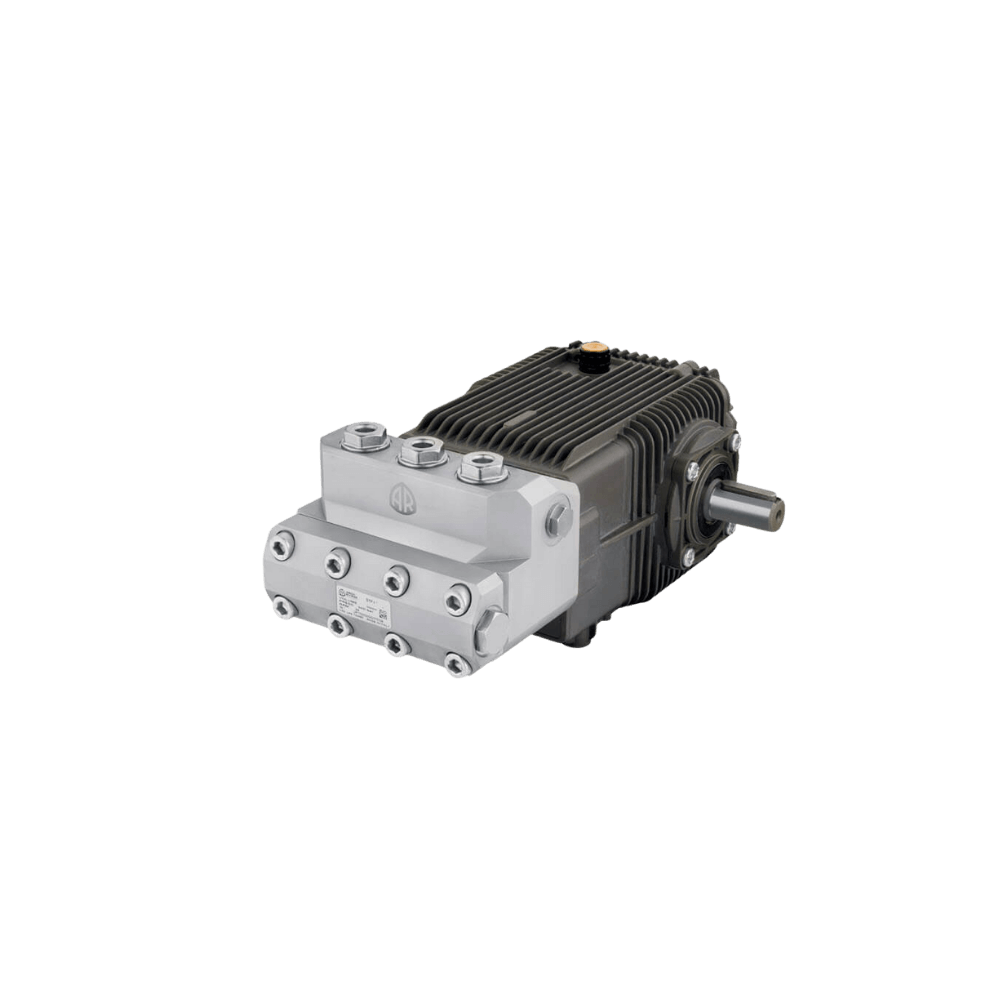
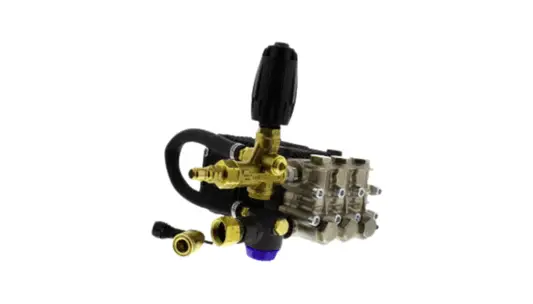
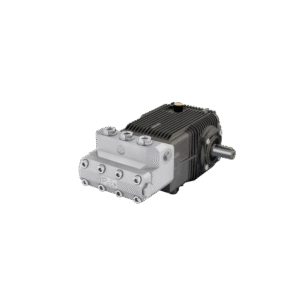
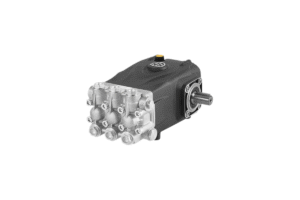
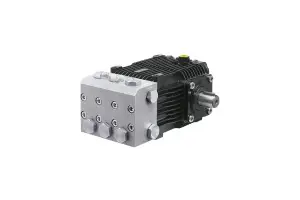
A triplex plunger pump is the opposite: replaceable valves, seals and plungers, running cooler because the plungers move in a straight line rather than wobbling on a plate. The RCV3G27-PKG puts one in a box with the parts you need to bolt it to an engine.
RCV3G27-PKG specifications
- Flow: 3.0 GPM
- Pressure: 2,700 PSI
- Speed: 3,400 RPM
- Shaft: 3/4 in hollow, horizontal
- EBHP: 5.5
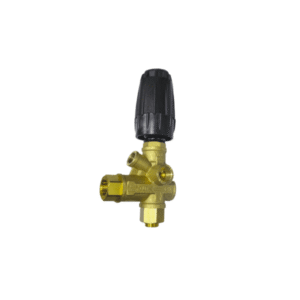
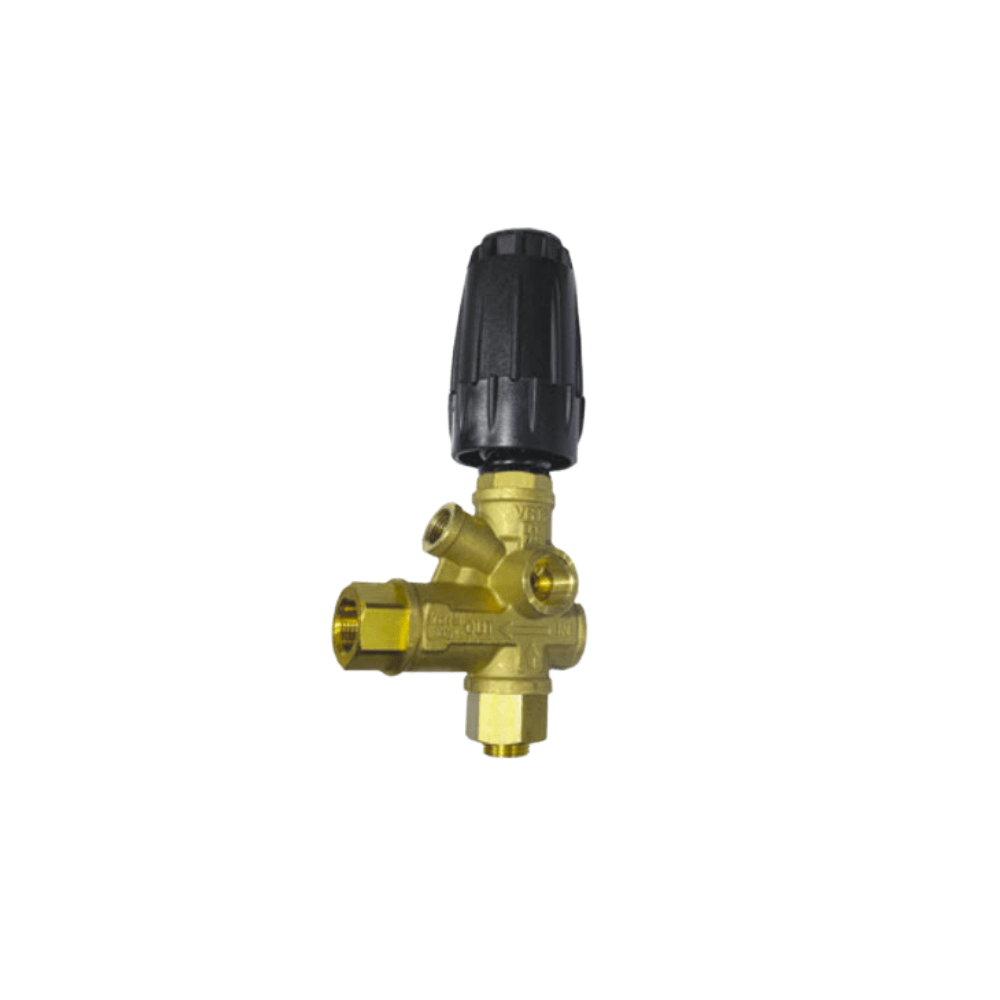
The package ships with the unloader and bypass, a TPP140-1/4A thermal relief valve, an AR1264750 garden hose adapter, an AL-QC3/8B quick connect coupler, mounting bolts and hardware, fittings, break-in oil and the manual.
Engine sizing, honestly
3.0 GPM at 2,700 PSI needs 5.5 HP at the pump shaft. A 212cc engine rated 6.5 HP gives you about 18 percent margin, which works but is not generous once you account for heat, altitude and the fact that small-engine horsepower ratings are measured under conditions your driveway does not reproduce.
If you plan long sessions or work in heat, step up to a 270cc or 301cc engine. The pump will hold its rated output rather than sagging as the engine heat-soaks.
Be careful with engines in the 5 HP class. A 163cc engine rated 4.8 HP is below what this pump needs and will not reach 2,700 PSI under load, whatever the compatibility chart says. What actually has to match is the shaft: 3/4 in hollow, horizontal. Measure it rather than going by displacement.
Why 2,700 PSI is a feature
More pressure is not better, it is just more. At 2,700 PSI and 3 GPM you can:
- Clean siding, fencing and painted surfaces without stripping them
- Take mildew and loose paint off without etching the substrate underneath
- Run off a standard domestic hose bib, which supplies about 4 to 6 GPM on a good day
- Use an inexpensive, widely available engine
A 4,000 PSI machine in inexperienced hands puts lines in cedar, drives water behind siding and blows out old mortar, and it needs a considerably more expensive engine to do it.
The rest of the RCV range
The RCV family is large and the differences are in flow, pressure and which unloader ships with it:
The unloader is not a detail. A factory-matched unloader is sized for the pump’s flow, and an unloader sized for the wrong flow is the most common reason a home-built rig never holds its rated pressure.
How the RCV3G27-PKG is built
- Confirm the shaft is 3/4 in hollow, horizontal.
- Fit the pump onto the crankshaft. It should slide on without force.
- Install the accessories: unloader, thermal relief valve, quick connect.
- Add pump oil before the first start. The package includes break-in oil, and running dry costs seals in seconds.
- Plumb it, garden hose in, high pressure hose out, and add an inlet filter if you are not on clean municipal water.
- Set the unloader with the trigger open, then confirm bypass behavior with it closed.
What you actually get out of it
Not just the up-front saving. The real benefit is modularity: when the engine dies you keep the pump, when the pump wears you rebuild it, and you choose your own hose, gun and nozzles instead of accepting whatever came in the box.
The construction supports that: forged brass manifold, stainless plungers, replaceable valves and seals, oversized bearings. Change the oil at 50 hours and then every 300, flush after detergent, and run pump saver before any freeze. Done that way the pump outlives two or three store-bought machines.
Not sure which package fits your engine? Send the shaft diameter and engine size and you will get a specific recommendation.