A polypropylene surface cleaner is the right buy for most people. Stainless surface cleaners are right for a specific situation: the tool gets used every day, gets thrown in and out of a truck, and works around salt, sanitizer or chemistry that eats things.
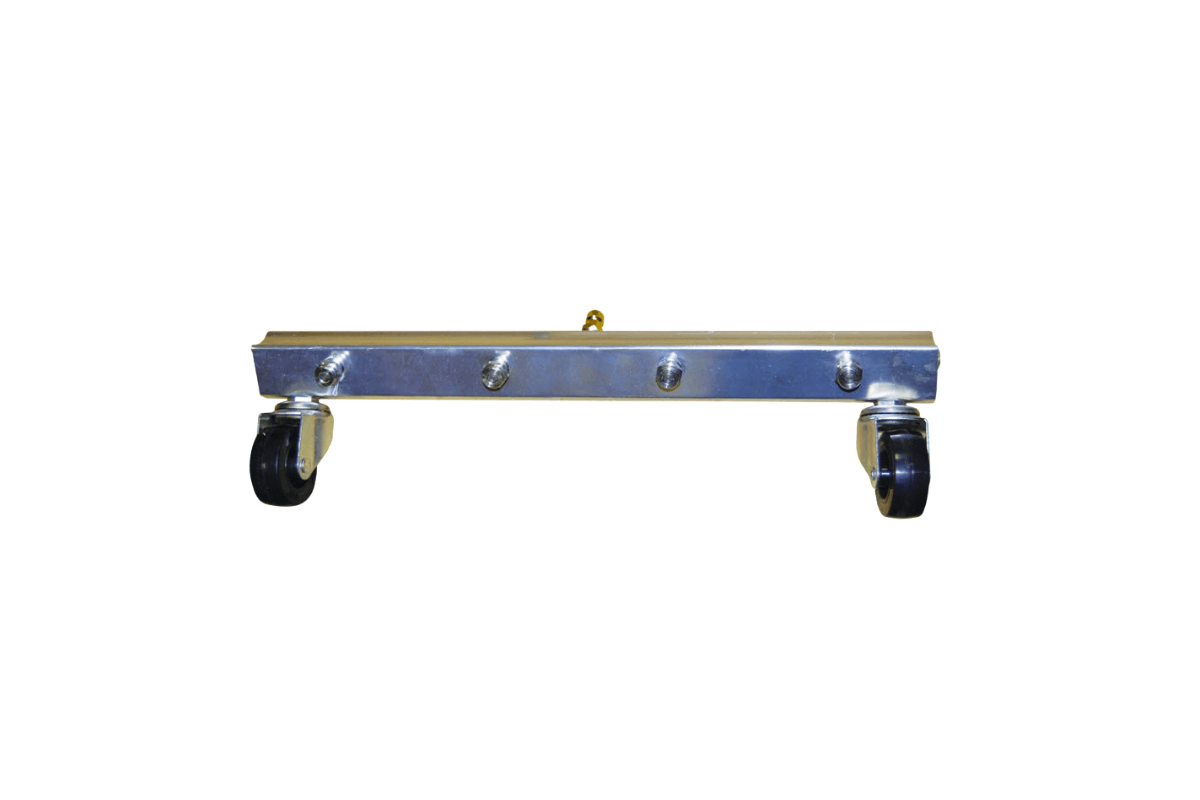
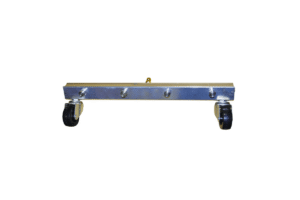
The AR-ROTARY20SS and AR-ROTARY24SS are the top of the range: 20 and 24 inches, on a two-nozzle rotating spray bar. AR does not publish pressure or flow ratings for either, so send us your machine’s GPM and PSI and we will confirm the fit before you order.
Flow decides whether width helps
This is the part that gets skipped. A wider cleaner only cleans faster if the head spins at working speed, and that takes flow.
- Under 4 GPM: a 24 in head turns slowly and you cover the same ground twice. Stay at 16 or 20 in.
- 4 to 5 GPM: the 20SS works well.
- 5 GPM and up: the 24SS delivers the coverage it promises.
Buying the widest tool on a modest pump makes you slower, not faster. Check what your machine actually puts out before sizing up.
What stainless buys you
- Corrosion resistance in damp, chemical and coastal environments, where polypropylene is fine but the fasteners and frame are not
- Rigidity. This matters more than it sounds: a stiffer frame holds nozzle spacing and height constant, and inconsistent nozzle distance is what produces streaks
- Impact tolerance. A tool that lives in a truck bed and gets dropped will crack a polypropylene shroud eventually
- Appearance. For municipal crews and commercial contractors, arriving with equipment that looks professional is part of the job
What it costs you is weight and price. If your cleaner lives in a garage and comes out on weekends, polypropylene is the better value.
Stainless surface cleaners and hot water
Both are built for grease work: warehouse floors carrying process oil, restaurant and dumpster pads, fleet pads with dripped diesel. Heat lifts grease in a way pressure alone does not.
Temperature ratings are not published for these, so confirm the cleaner and the rest of the system before you run hot, particularly the swivel and the quick connect at the lance, since those are the components people forget.
20 or 24
Twenty-four inches covers about 44 percent more ground per pass than twenty. On a warehouse floor or an airport apron that is significant. On a retail walkway, in a parking structure or anywhere you are working around obstacles, the extra width becomes something to manoeuvre rather than an advantage.
20SS for mid-to-large spaces with obstacles: retail walkways, smaller lots, municipal plazas, facilities work.
24SS for uninterrupted square footage: warehouses, stadiums, airports, large transit hubs, big parking pads.
Where the AR-ROTARY stainless surface cleaners are used
Industrial: warehouse floors between shifts, manufacturing plants where hot water removes oil and grease, tank storage sites with chemical exposure.
Municipal: multi-level parking garages, city sidewalks with daily gum and grime, transit stations covering thousands of square feet.
Large commercial: theme parks, shopping centres, airports and stadiums, where the cleaning window is short and the area is not.
Sanitary and corrosive: food processing plants under USDA routines, recycling and waste facilities, coastal and marine sites. This is where stainless stops being a preference and becomes the requirement.
Stainless surface cleaner maintenance
- Flush after hot water use to prevent mineral deposits in the spray bar.
- Check the swivel. Resistance in the head means the swivel is going, and that is the component that fails on these.
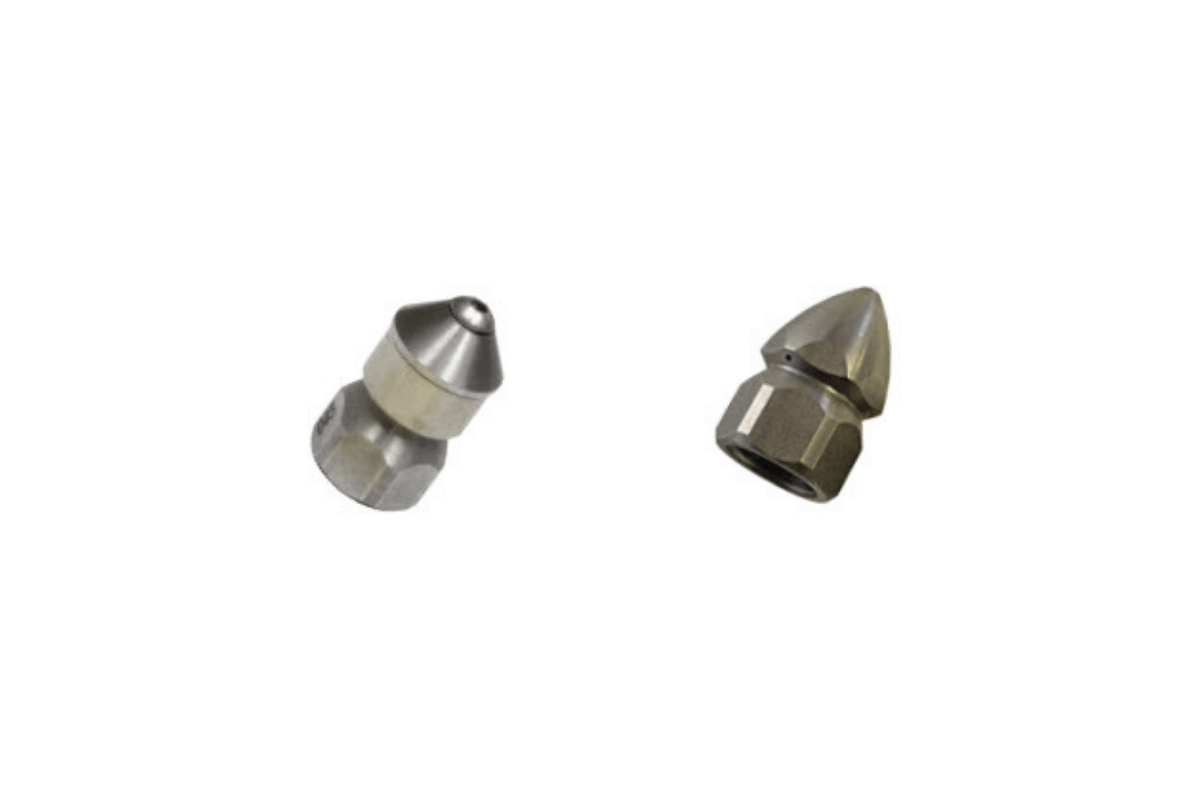
- Replace nozzles on a schedule. Worn tips are the reason a surface cleaner gradually stops performing, and they wear unevenly so one side outperforms the other.
- Check wheel bearings under heavy use.
- Wipe the housing down. Stainless stays looking professional only if someone occasionally cleans the cleaner.
Looked after, a stainless unit outlasts several polypropylene ones, which is the arithmetic that justifies the price on a daily-use tool.
Not sure what your machine delivers? Send the pump model or the washer’s GPM and you will get the width that will actually spin.