A fan nozzle cleans a stripe a few inches wide, so cleaning a driveway means overlapping dozens of passes and hoping the overlap is even. It rarely is, which is why pressure-washed concrete so often shows stripes.
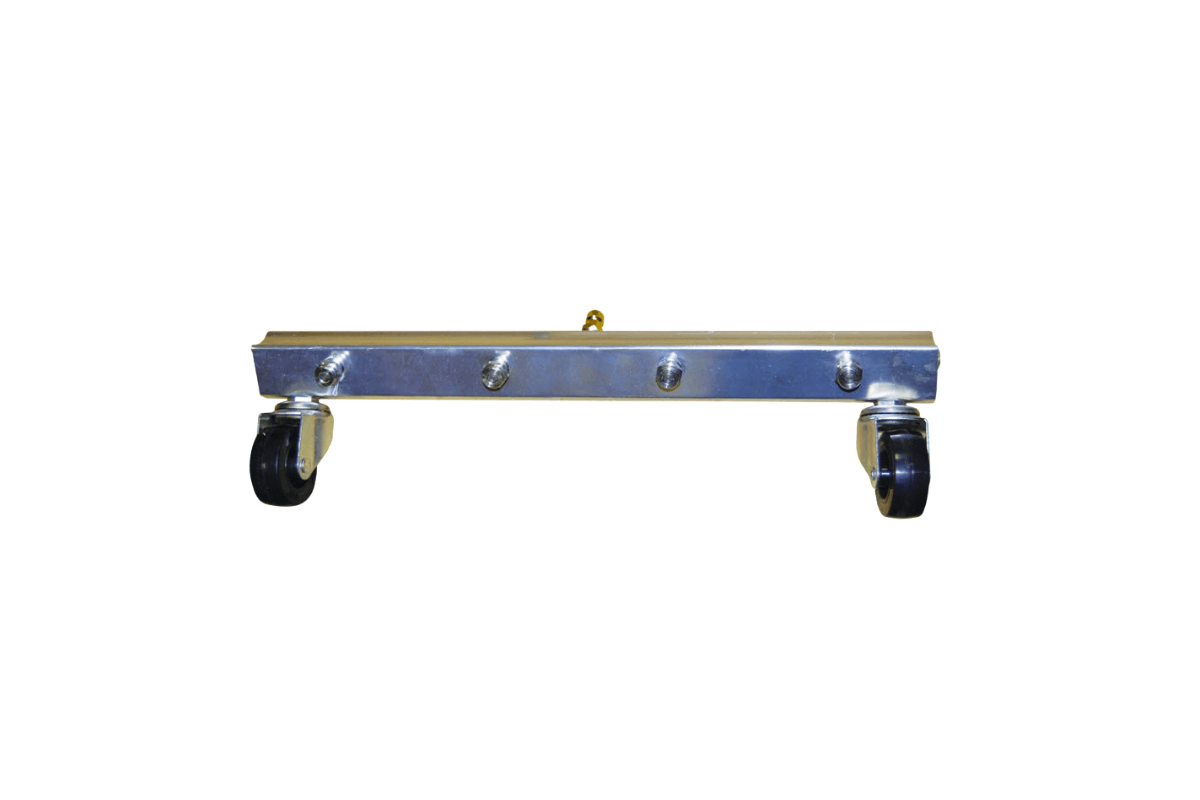
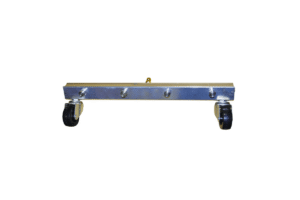
A water broom puts three or four nozzles on a bar at fixed spacing and a fixed angle. One pass, twelve or sixteen inches wide, evenly.
Both attach to a standard spray lance with a quick connect, no tools.
Broom or surface cleaner
These are different tools that get confused constantly.
A water broom is open. The nozzles spray at an angle and push debris ahead of them, the way a broom does. It rinses and sweeps: sand, leaves, pollen, loose dirt, and the last pass after chemical.
A surface cleaner is enclosed, with spinning jets inside a shroud. It lifts bonded material: embedded dirt, algae, tyre marks, grime that has been there for years.
If the dirt is loose, a broom is faster and uses less water. If the dirt is stuck, a broom will move it around and a surface cleaner will remove it. Plenty of contractors carry both, using the cleaner first and the broom to rinse.
Matching it to your machine
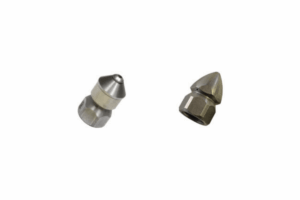
The nozzles are 1.3 mm and there are three or four of them, which sets the flow the tool wants. A machine that produces less than that will not build pressure through the bar; one that produces much more will overpressure it.
The 12 in three-nozzle version suits smaller machines; the 16 in four-nozzle version wants more flow. If you are running around 2 to 3 GPM, start with the 12.
Using a water broom well
Keep it moving at a steady pace. Water brooms reward rhythm. Stopping leaves a wet mark, and varying speed leaves an uneven finish, which is the thing you bought it to avoid.
Work with the slope, pushing debris downhill and toward the drain. You are sweeping, so plan the direction before you start.
Keep the bar flat and in light contact with the surface, so all the nozzles sit at the same height.
Rinse the nozzles after use. A partially blocked orifice puts a clean stripe next to a dirty one and is immediately obvious.
Store dry and indoors.
Where they earn their keep
Driveways and sidewalks: sweeping off dirt, sand and organic debris
Patios and decks: pollen and sand without the aggression of a concentrated jet on soft materials
Garage floors: flushing dust and light oil residue evenly toward the door
Pool decks: removing algae and loose debris that makes surfaces slippery
Commercial entrances and loading docks: a fast morning rinse before opening
The common case is a surface that needs rinsing regularly rather than deep cleaning occasionally. That is exactly the job a surface cleaner is over-specified for and a wand is too slow at.
The Honda GX200 is a small engine, and the mistake people make with Honda GX200 pump packages is buying a
Manage Consent
To provide the best experiences, we use technologies like cookies to store and/or access device information. Consenting to these technologies will allow us to process data such as browsing behavior or unique IDs on this site. Not consenting or withdrawing consent, may adversely affect certain features and functions.
Functional
Always active
The technical storage or access is strictly necessary for the legitimate purpose of enabling the use of a specific service explicitly requested by the subscriber or user, or for the sole purpose of carrying out the transmission of a communication over an electronic communications network.
Preferences
The technical storage or access is necessary for the legitimate purpose of storing preferences that are not requested by the subscriber or user.
Statistics
The technical storage or access that is used exclusively for statistical purposes.The technical storage or access that is used exclusively for anonymous statistical purposes. Without a subpoena, voluntary compliance on the part of your Internet Service Provider, or additional records from a third party, information stored or retrieved for this purpose alone cannot usually be used to identify you.
Marketing
The technical storage or access is required to create user profiles to send advertising, or to track the user on a website or across several websites for similar marketing purposes.