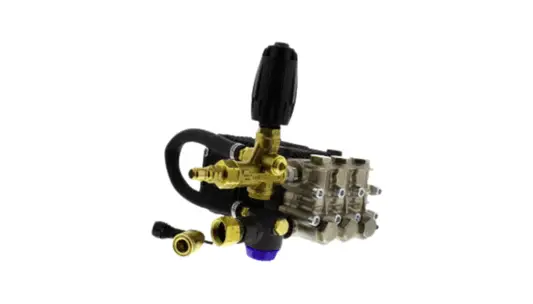
Pressure washing in oil and gas is a harder problem than most cleaning work, and not mainly because of the dirt. It is the combination: heavy hydrocarbon and drilling mud on the surfaces, salt and weather on the equipment, remote sites with no support, and classified areas where the wrong machine is a hazard rather than an inconvenience.
The equipment has to be sized for the work
Rig decks, mud tanks, drill pipe and tooling generally need somewhere in the range of 4,000 to 5,000 PSI at 5 to 8 GPM. Below that you are working too slowly to matter, and hydrocarbon films need real impact force to release.
Belt-driven skid units are the standard for a reason. The belt decouples the pump speed from the engine speed, so you can run an industrial pump at 1,450 RPM off a high-speed engine, and the pump lasts several times longer than a direct-drive equivalent working the same hours.
When you need ultra-high pressure
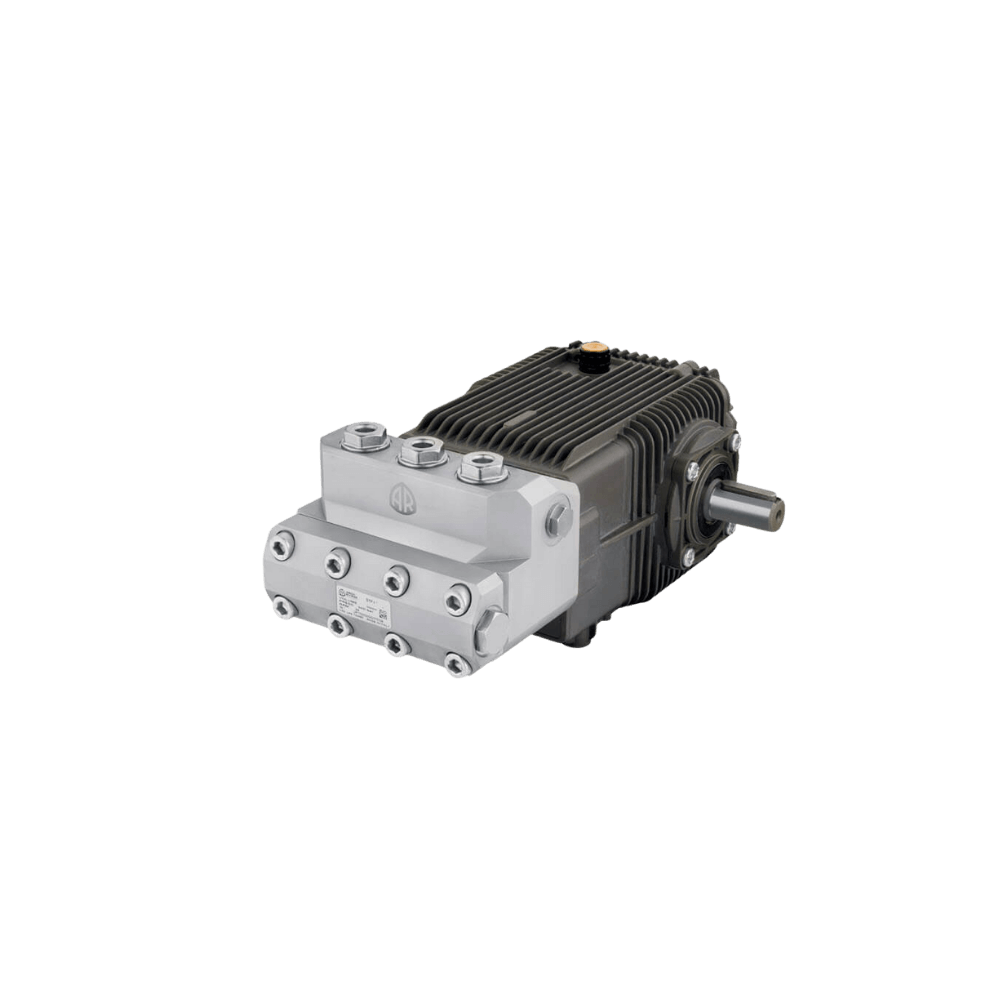
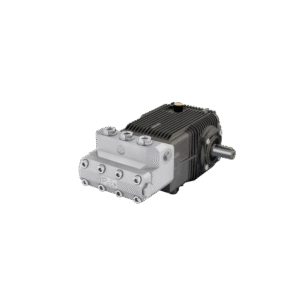
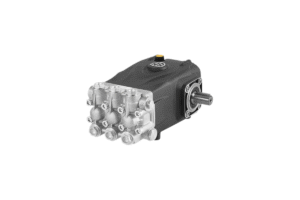
Hydro-blasting, descaling and coating removal are a different tier. For those, the RTX30.500 is a common choice:
Flow
7.9 GPM
Pressure
7,250 PSI (500 bar)
Speed
1,450 RPM
Shaft
24 mm solid
Type
Triplex plunger, ceramic plungers
Weight
128 lbs
Power required: 7.9 × 7,250 ÷ 1460 = about 39 brake horsepower at the pump shaft. Add 10 to 20 percent and you are specifying a 45 to 50 HP drive. That is a skid unit with a serious engine, not something you add to an existing trailer, and it should be part of the budget from the start.
Everything else in this article is secondary to this point.
A gasoline or diesel engine is an ignition source. In a Class I Division 1 or Division 2 area, a standard skid unit is not a compliance problem, it is a fire and explosion risk. The same applies to electric motors that are not rated for the classification.
The usual answers are to place the power unit outside the classified area and run hose in, or to use a hydraulically or air-driven pump so there is no ignition source at the work face. Which one applies is determined by the site’s area classification, and that is a decision for the operator’s safety authority, not for a pump vendor.
Confirm the classification before you specify anything. This is the step people skip, and the consequences are not recoverable.
High pressure water is a serious hazard on its own
Separate from the fire risk. Water at 7,250 PSI cuts flesh. High pressure injection injuries look minor at the entry point and are routinely underestimated in the first hour, which is exactly what makes them dangerous.
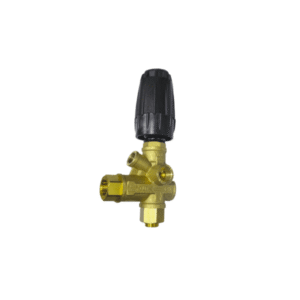
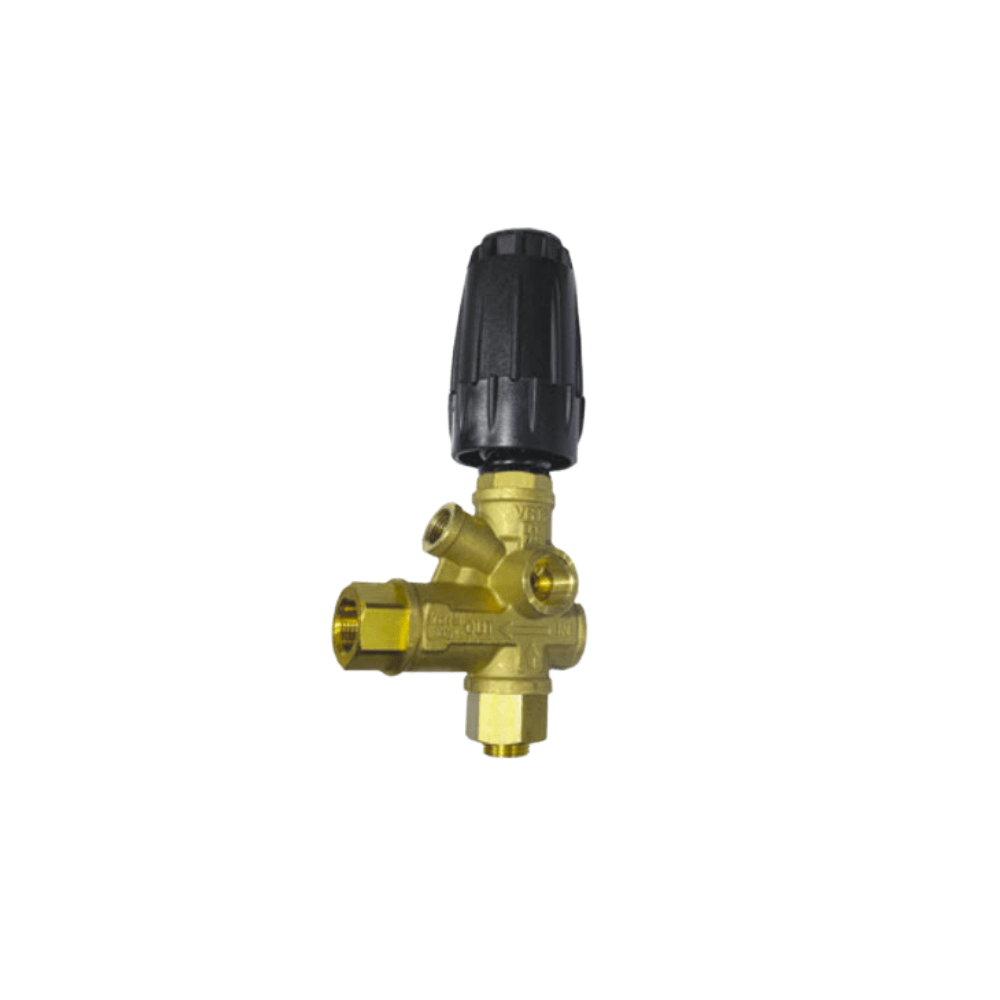
Any skin penetration is an emergency, immediately, not a wait-and-see. Anyone operating ultra-high-pressure equipment needs training and PPE appropriate to the pressure, and everything downstream of the pump has to be rated for it: hose, gun, lance, fittings, unloader and relief valve. A 4,000 PSI hose on a 7,250 PSI system is a fatality waiting for a reason.
Nozzles and chemistry
Two things that improve productivity more than buying a bigger pump.
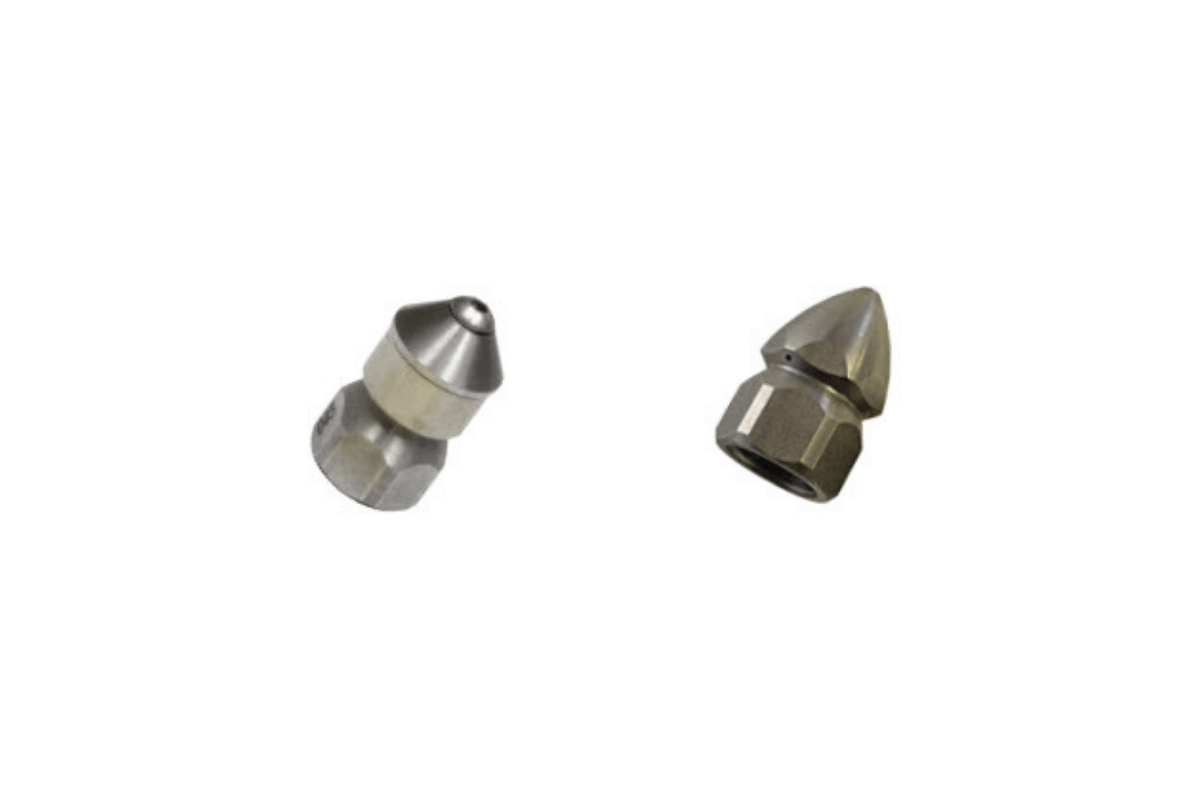
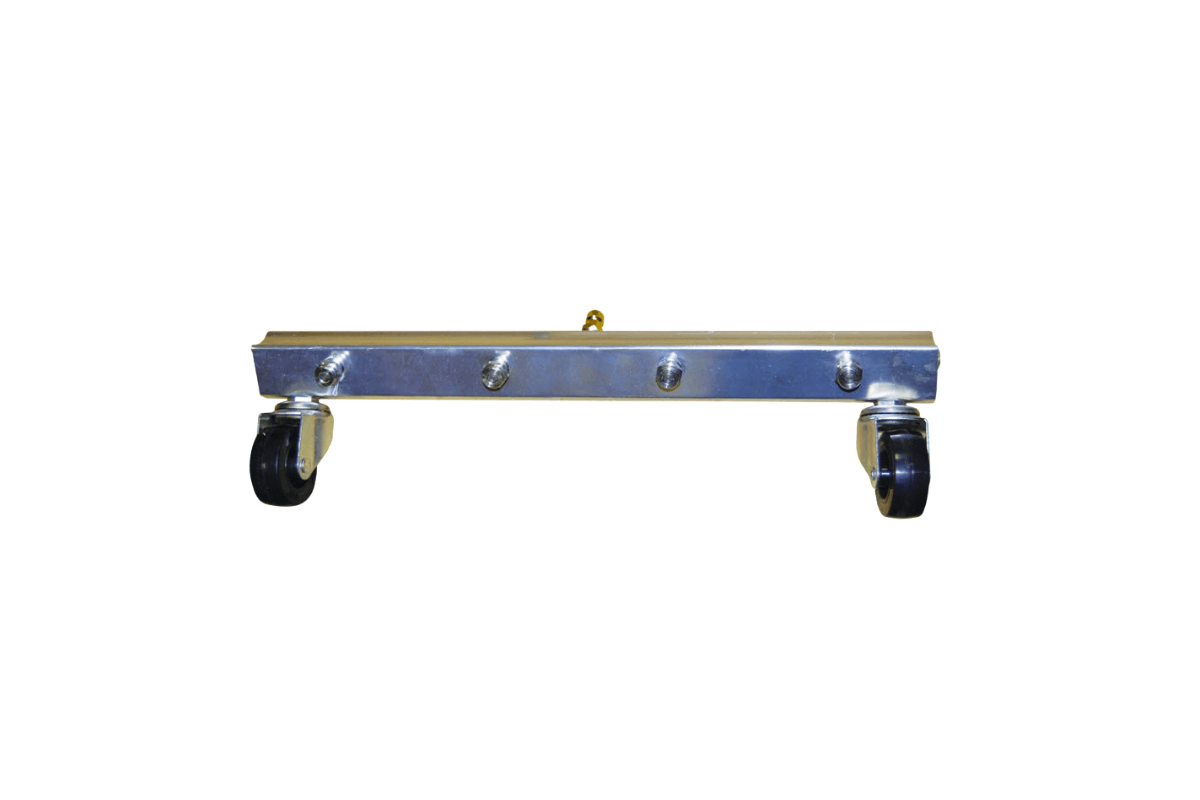
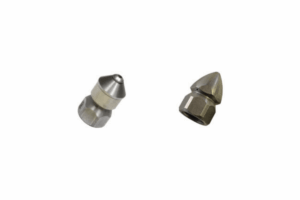
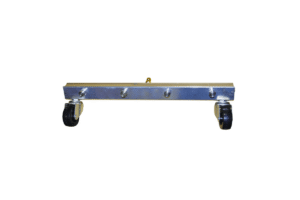
Rotating nozzles and surface cleaners. A turbo nozzle gives you zero-degree impact force spread across a cone, which is a large gain on caked material. Quick-connect tips let a crew switch between degreasing and rinsing without stopping.
Downstream chemical injection. Hydrocarbon soils respond to solvent and dwell time far better than to added pressure. A chemical injection system lets the chemistry do work that would otherwise cost you pressure, time and surface damage.
Corrosion and support
Salt, produced water and offshore air are hard on equipment. Stainless frames and stainless-head pumps matter more here than in most industries, and a 316L head is the grade that actually resists chlorides.
The other consideration is parts. On a remote site, a pump you cannot get a seal kit for is a pump that is down until someone drives out. Buy from a line that is stocked and rebuildable, and keep a kit on the rig.
Surface preparation: steel and concrete before coating
Heavy equipment: drilling mud, grease, hydrocarbon films
Marine and shipyard: corrosive, salt-laden environments
If you are specifying equipment for an oilfield application, tell us the area classification, the available power and what you are removing, and we will work through it with you. Contact us here.
The Honda GX200 is a small engine, and the mistake people make with Honda GX200 pump packages is buying a
Manage Consent
To provide the best experiences, we use technologies like cookies to store and/or access device information. Consenting to these technologies will allow us to process data such as browsing behavior or unique IDs on this site. Not consenting or withdrawing consent, may adversely affect certain features and functions.
Functional
Always active
The technical storage or access is strictly necessary for the legitimate purpose of enabling the use of a specific service explicitly requested by the subscriber or user, or for the sole purpose of carrying out the transmission of a communication over an electronic communications network.
Preferences
The technical storage or access is necessary for the legitimate purpose of storing preferences that are not requested by the subscriber or user.
Statistics
The technical storage or access that is used exclusively for statistical purposes.The technical storage or access that is used exclusively for anonymous statistical purposes. Without a subpoena, voluntary compliance on the part of your Internet Service Provider, or additional records from a third party, information stored or retrieved for this purpose alone cannot usually be used to identify you.
Marketing
The technical storage or access is required to create user profiles to send advertising, or to track the user on a website or across several websites for similar marketing purposes.